
Looking for effective joint pain treatment without surgery? Whether you are suffering from osteoarthritis, arthritis, knee pain or shoulder pain or any other joint pain, understanding the available treatment options is an important first step.
At NSPC Joint Pain Clinic and Centre for Regenerative Medicine & Therapy, we offer modern treatment approaches for most patients experiencing persistent joint pain, including knee pain, shoulder pain etc.
Led by Dr. G. N. Goyal, Ex-AIIMS Senior Specialist, NSPC is a leading choice for patients seeking advanced and modern treatments for joint pain. Thousands of patients have placed their trust in Dr. G. N. Goyal and NSPC for specialised Interventional Pain Management and Minimally Invasive Pain Interventions (MIPI).
Consult Joint Pain Specialist
Consult Ex – AIIMS Senior Specialist with 17+ Years Experience
Dr G N Goyal
Non-Surgical & Minimally Invasive Treatments for faster recovery
Advanced Joint Pain Treatments at Exceptionally Affordable Costs
At NSPC, we believe that access to modern medical treatments should not be restricted by high treatment costs.
That is why we have made a conscious effort to keep the cost of our advanced joint pain treatments at exceptionally low and affordable levels. Our aim is to make modern treatment options accessible to more & more patients.
Whether you are exploring treatment for knee osteoarthritis, shoulder arthritis or other forms of joint pain, we want you to have the opportunity to understand and consider suitable treatment options without an unnecessarily high financial burden.
Advanced Joint Pain Treatments. Specialist Expertise. Exceptionally Affordable Costs.
Don't Wait for Arthritis to Become Severe
Why wait for joint pain to become severe before exploring non-surgical treatment options?
Osteoarthritis and other forms of arthritis can gradually affect joint movement and everyday activities. Early assessment and appropriate treatment may help control pain, maintain mobility and preserve joint function.
Whether it is early knee pain, persistent shoulder pain or arthritis affecting another joint, do not ignore the problem until it starts restricting your daily activities.
The right time to understand your treatment options is when the problem begins – not only when arthritis becomes advanced.
Before Joint Replacement, Explore MIPI
Joint replacement is an important treatment for selected patients with severe osteoarthritis, but it is never the first step for everyone.
Depending on the condition of your joint, suitable Minimally Invasive Pain Interventions (MIPI) may help reduce pain, improve function and potentially postpone the need for joint replacement.
For selected patients with knee osteoarthritis, treatments such as PRP, GFC, Viscosupplementation, RFA and Cooled RFA may be worth discussing before deciding on knee replacement.
At NSPC, we encourage patients to understand their non-surgical options before making a decision about joint replacement.
Don’t rush into joint replacement without understanding your alternatives. Explore MIPI first, if appropriate for your condition
Modern Treatment Options for Knee Pain, Shoulder Pain, Hip Joint and Osteoarthritis
Joint pain can arise from inflammation, cartilage degeneration, osteoarthritis, ligament problems or changes in the structures surrounding a joint.
Knee pain and shoulder pain are among the common reasons people seek treatment for joint problems. Some patients experience pain while walking, climbing stairs, standing up, lifting their arms or performing routine activities.
Different treatments work in different ways. Some target inflammation, some aim to improve the joint environment, while others target the nerves responsible for transmitting pain signals from the joint.
Three Broad Treatment Approaches
- Inflammation-targeting treatments: These aim to reduce inflammation and associated pain.
- Regenerative and joint environment treatments: These include PRP, GFC, BMAC and other approaches being explored for their biological effects. Viscosupplementation aims to supplement joint lubrication.
- Pain-transmitting nerve treatments: RFA and Cooled RFA target selected sensory nerves carrying pain signals from the joint.
These treatments work differently and are not interchangeable.
Why Cooled RFA Is an Interesting Option
One particularly interesting option is Cooled Radiofrequency Ablation (Cooled RFA). Unlike treatments that focus on inflammation or the biological environment of the joint, Cooled RFA targets selected nerves that carry pain signals from the joint. It may help suitable patients reduce persistent pain in knee, shoulder or hip joint, without replacing the joint.
Let’s understand the available treatment options.
Advanced Joint Pain Treatment Options
Viscosupplementation
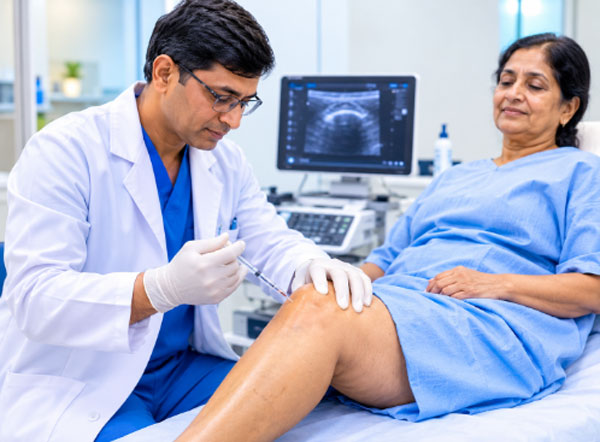
Viscosupplementation involves using hyaluronic acid to supplement the natural lubricating fluid inside a joint.
It is commonly considered for selected patients with osteoarthritis, particularly knee osteoarthritis. The aim is to improve joint lubrication and potentially reduce pain and stiffness.
The response varies, and it does not restore lost cartilage or reverse advanced arthritis.
For patients looking for knee pain treatment without surgery, viscosupplementation may be an option to discuss before considering knee replacement, depending on the condition of the joint. It has given very good results when combined with other regenerative therapies when used in early-stage arthritis.
PRP – Platelet-Rich Plasma Therapy
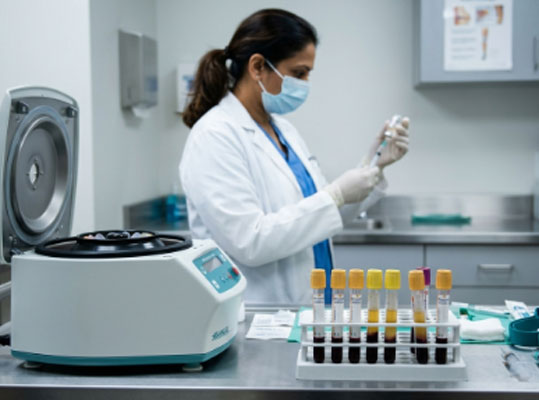
PRP therapy uses a concentrated preparation of platelets obtained from the patient’s own blood.
Platelets contain growth factors and other biological substances that may influence the body’s healing response. PRP is used in selected joint and musculoskeletal conditions.
PRP is considered a regenerative treatment approach, although the scientific evidence varies depending on the condition and preparation method. It may help in cartilage regeneration to a greater extent.
For suitable patients with knee pain, shoulder pain or other selected joint conditions, PRP may be worth exploring as part of a non-surgical treatment plan before considering joint replacement.
GFC – Growth Factor Concentrate Therapy
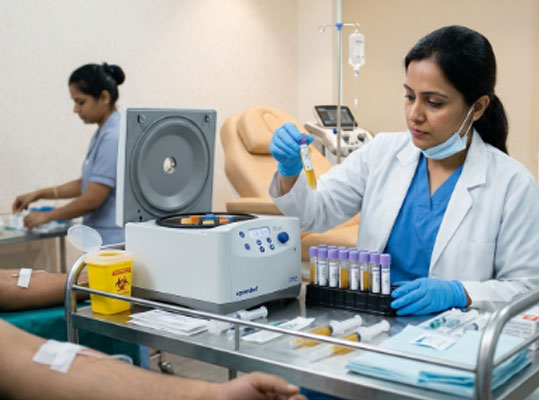
GFC therapy uses a preparation derived from the patient’s own blood that contains concentrated growth factors.
It is designed to provide biological signals that may influence the healing environment. Its preparation process differs from conventional PRP.
GFC is an evolving treatment approach, and results can be encouraging. Proper patient selection is important.
At NSPC, the objective is to help patients understand whether regenerative treatment options such as GFC are appropriate for their joint condition, including selected cases of knee pain and shoulder pain.
Prolotherapy
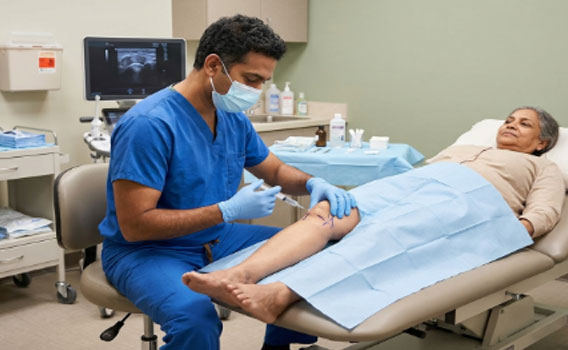
Prolotherapy is a treatment approach intended to stimulate a local healing response in selected ligaments, tendons and other musculoskeletal structures.
It may be considered in certain conditions involving ligament or soft-tissue-related pain. Evidence varies depending on the condition being treated.
It is not a universal treatment for arthritis and cannot be expected to reverse advanced joint damage, but should be used at the starting.
BMAC – Bone Marrow Aspirate Concentrate
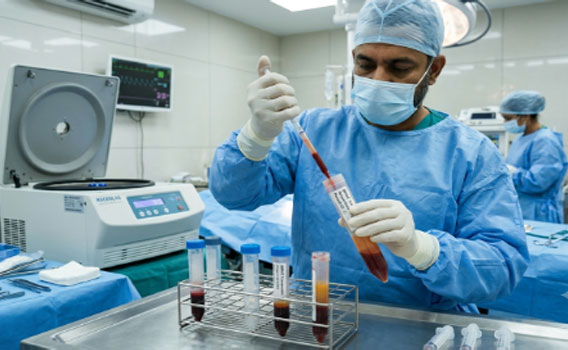
BMAC is prepared from a sample of the patient’s own bone marrow. The concentrated preparation contains different cells and biological components.
It is used in selected orthopaedic and regenerative medicine settings, with the aim of influencing the local biological environment.
BMAC is not the same as a laboratory-grown stem cell product. Its ability to regenerate damaged joint cartilage has made it a popular treatment for joints. Careful patient selection and evaluation are necessary before considering this treatment for osteoarthritis or other joint conditions.
Stem Cell Therapy
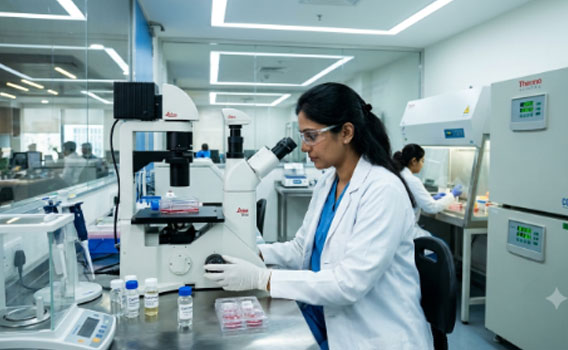
Stem cell-based treatments are being studied for several joint and musculoskeletal conditions.
The aim is to explore whether certain cells may influence tissue repair and the biological environment within a joint.
However, not all treatments described as stem cell therapy are the same. Evidence, preparation methods, safety and regulatory requirements need careful consideration.
Patients should be cautious of claims promising guaranteed cartilage regrowth or a permanent cure for arthritis. Recently DCGI (authority on licensing various treatments in India) has approved one such novel technique.
Exosome Therapy
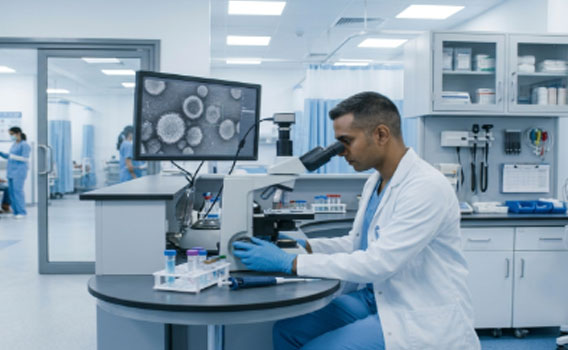
Exosomes are tiny extracellular vesicles that carry biological signals between cells.
They are being investigated for their potential role in tissue repair and regenerative medicine.
Exosome therapy remains an emerging area, and its clinical use for joint arthritis has recently started. Product quality, safety and regulatory status are important considerations.
Nanofat Therapy
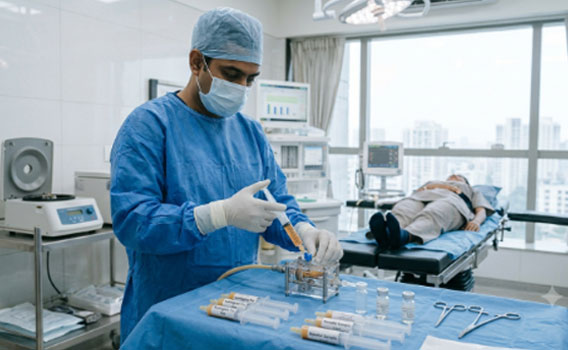
Nanofat is a specially processed preparation derived from the patient’s own fat tissue.
It contains a mixture of biological components and is being explored in regenerative medicine for selected musculoskeletal applications.
Nanofat is an emerging treatment approach. It should not be considered a proven method of cartilage regeneration or a guaranteed cure for osteoarthritis.
Radiofrequency Ablation (RFA)
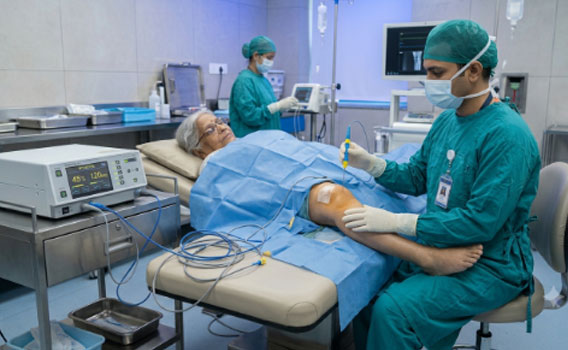
Radiofrequency Ablation is a minimally invasive procedure that uses controlled radiofrequency energy to modify selected sensory nerves responsible for transmitting pain signals from a joint.
It does not repair cartilage or reverse arthritis. Its main objective is to reduce pain signals and help selected patients improve their daily activities with some proven results in most patients along with Cooled RFA.
For patients with persistent knee pain due to osteoarthritis, RFA may offer an additional non-surgical option to explore before proceeding towards knee replacement, where clinically appropriate.
Cooled Radiofrequency Ablation (Cooled RFA)
Attention-grabbing Subheading
Could This Be an Option to Explore Before Knee Replacement?
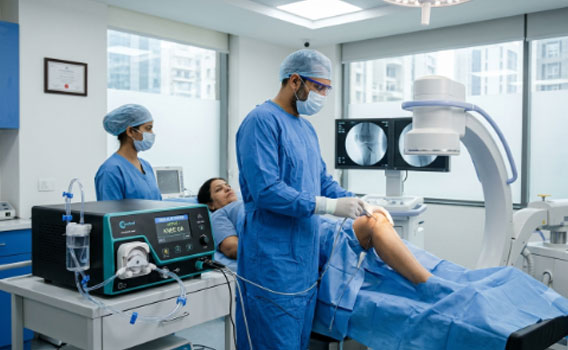
Cooled RFA is an advanced form of nonsurgical treatment. It uses a specially designed internally cooled electrode to create a larger treatment area under appropriate conditions.
It targets selected pain nerves that carry pain signals from the knee joint. It may help selected patients with chronic knee osteoarthritis reduce persistent pain and improve function.
Unlike knee replacement, Cooled RFA does not replace the joint or remove damaged cartilage. It is a pain-modulating procedure.
For appropriately selected patients, Cooled RFA may be an option worth discussing before proceeding towards knee replacement. In fact, this is one treatment that is also used with complex knee pain conditions persisting after joint replacement surgery.
Persistent Knee Pain Due to Osteoarthritis? Explore Whether Cooled RFA Could Be Suitable for You.
How Is the Right Joint Pain Treatment Selected?
There is no single treatment that is suitable for every patient. The right approach depends on:
- The underlying cause of joint pain.
- Whether the patient has osteoarthritis, inflammatory arthritis or another joint condition.
- The extent of cartilage damage and arthritis.
- The patient’s age and activity level.
- The severity and duration of symptoms.
- Previous treatments and their results.
- The patient’s overall health and treatment goals.
For example, the appropriate knee pain treatment may be different from the treatment required for shoulder pain. Even among patients with knee osteoarthritis, the best approach can vary according to the extent of joint damage and individual symptoms.
Early assessment is important. Don’t wait for joint pain to become severe or for arthritis to become advanced before understanding your options.
Some patients may benefit from medication or regenerative approaches, while others may be suitable candidates for minimally invasive pain interventions such as RFA or Cooled RFA.
In some cases, joint replacement may still be the most appropriate option. The decision should be based on a proper clinical assessment by an expert or specialist like us.
Frequently Asked Questions About Joint Pain Treatment
Can Osteoarthritis Be Treated Without Surgery?
Yes. Selected patients with osteoarthritis can be treated with non-surgical and minimally invasive options. Treatments may help reduce pain and improve function, depending on the condition of the joint. Advanced osteoarthritis with severe structural damage may still require joint replacement.
What Is the Best Treatment for Knee Pain?
The best knee pain treatment depends on its cause. Knee pain may result from osteoarthritis, cartilage damage, ligament problems or other conditions. Treatment options may include medication, regenerative approaches, viscosupplementation, RFA and Cooled RFA, depending on the patient’s assessment.
How Can I Get Knee Pain Relief Without Surgery?
Selected patients may obtain knee pain relief through non-surgical treatments. Options include appropriate medication, viscosupplementation, PRP and minimally invasive procedures such as RFA or Cooled RFA. The right choice depends on the cause and severity of knee pain.
Is Shoulder Pain Treatable Without Surgery?
Many causes of shoulder pain can be managed without surgery. Treatment depends on whether the problem is related to inflammation, tendons, ligaments, arthritis or other structures. Selected patients may benefit from non-surgical or minimally invasive treatment approaches.
What Is the Best Treatment for Shoulder Pain?
There is no single best treatment for every shoulder condition. The cause of shoulder pain must first be identified. Depending on the diagnosis, treatment may include medication, selected regenerative approaches or other minimally invasive interventions.
Should I Wait Until Arthritis Becomes Severe Before Considering Treatment?
No. Persistent joint pain should be assessed early. Appropriate treatment may help control pain, maintain mobility and preserve joint function. Waiting until symptoms become severe may unnecessarily affect everyday activities.
Can Joint Pain Be Treated Without Joint Replacement Surgery?
Yes, selected patients can be treated with non-surgical and minimally invasive options. The appropriate treatment depends on the underlying condition and the extent of joint damage. However, some patients with advanced arthritis may still require joint replacement.
Is PRP Better Than GFC for Joint Pain?
Both are regenerative treatment approaches, but their preparation methods and biological composition differ. There is no universally superior treatment. The choice depends on the patient’s condition, available evidence and clinical assessment.
Can Cooled RFA Help Avoid Knee Replacement?
Cooled RFA may help selected patients with chronic knee pain reduce pain and potentially postpone knee replacement. However, it does not repair damaged cartilage or correct severe joint deformity. It is not a substitute for joint replacement when surgery is medically necessary.
Are Modern Joint Pain Treatments Expensive at NSPC?
At NSPC, we have made a conscious effort to keep the cost of modern joint pain treatments exceptionally low and affordable. Our aim is to make advanced treatment options accessible to more patients without an unnecessarily high financial burden.
NSPC Joint Pain Clinic – Modern Treatment, Specialist Expertise and Affordable Costs
At NSPC Joint Pain Clinic & Regenerative Medicine Centre, Dr. G. N. Goyal, Ex-AIIMS Senior Specialist, provides consultation and treatments for patients requiring Interventional Pain Management and Minimally Invasive Pain Interventions (MIPI).
Whether you are looking for osteoarthritis treatment, arthritis treatment, knee pain relief, knee pain treatment or shoulder pain treatment, our aim is to help you understand the available options and make an informed decision.
We believe patients should have access to modern treatment options at affordable costs.
Don’t wait for joint pain to increase. Don’t rush into joint replacement without exploring your options.
Explore suitable MIPI and other non-surgical joint pain treatments at NSPC.