how to get rid of back pain

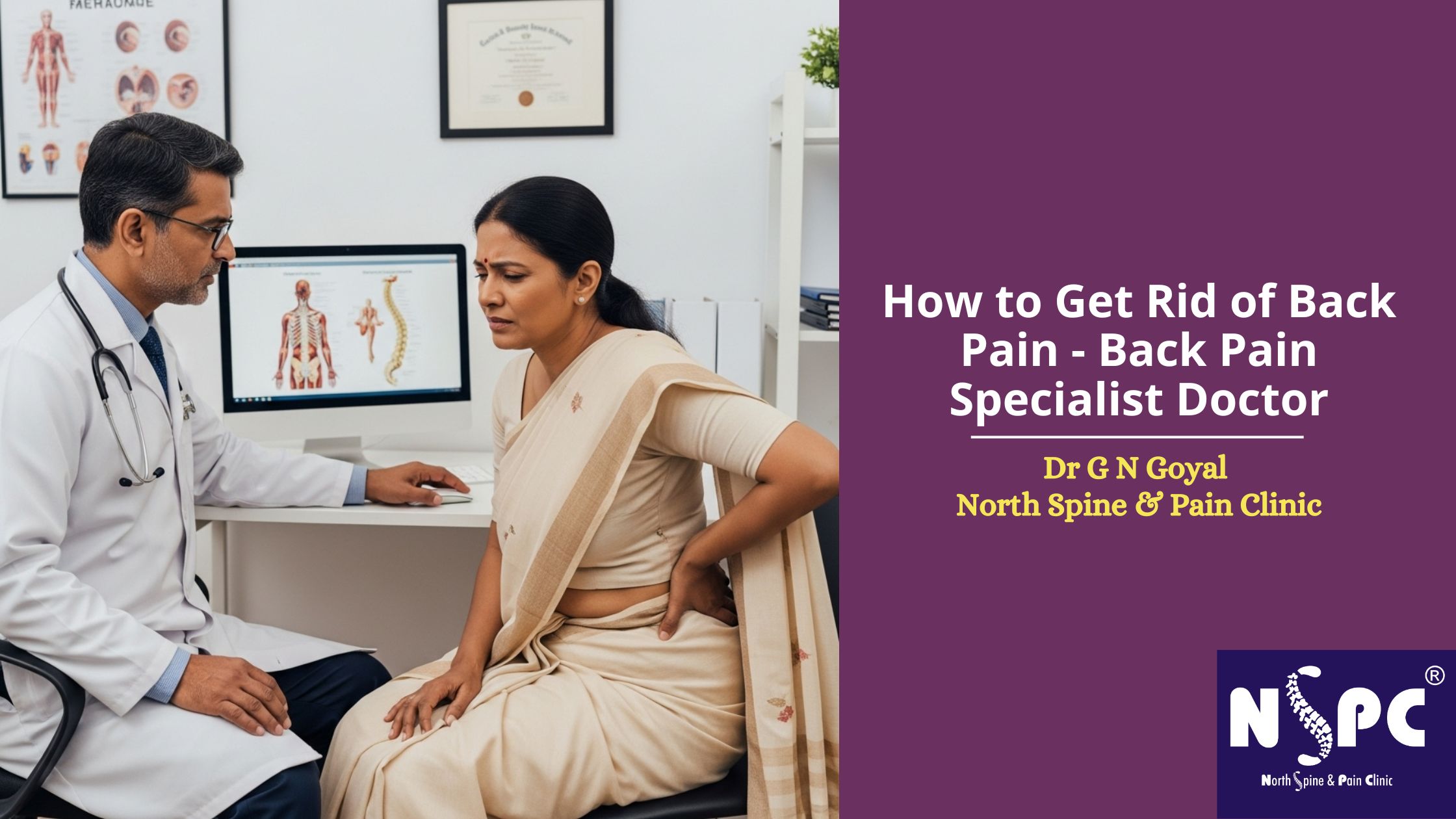
How to Get Rid of Back Pain – Consult Back Pain Specialist Doctor Today

Back pain is not just discomfort—it can affect your daily life, productivity, and mental peace. If you’re constantly searching how to get rid of back pain, you’re not alone. Millions suffer silently while ignoring the root causes. But today, let’s understand why back pain happens and how you can treat it effectively with the help of a back pain specialist doctor or sciatica specialists.

🤔 Why Back Pain Happens?

Understanding why back pain occurs is the first step toward healing. It could result from:

Prolonged poor posture

Incorrect sitting position

Sedentary lifestyle

Slip disc or sciatica

Age-related spine degeneration

Old age vertebral compression fracture due to Osteoporosis

Most people delay treatment, worsening the issue. If you’re in pain, don’t wait—consult a back pain specialist doctor near you.

🏥 Where to Get Treated? Visit a Spine and Pain Clinic

A reputed Spine and Pain Clinic offers a range of non-surgical, minimally – invasive, keyhole effective treatments. These clinics are staffed with certified sciatica specialists and experienced back pain specialist doctors who focus on holistic recovery.

💡 How to Get Rid of Back Pain: Best Treatment Options

Let’s dive into how to get rid of back pain with modern, latest non-surgical MIPSI methods:

1. Physiotherapy with Spine Experts
It helps correct your sitting position, strengthens muscles, and reduces stiffness.

2. Spinal Injections
Injections like epidural injections are highly recommended by back pain specialist doctors for immediate relief.

3. Radiofrequency Ablation (RFA)
RFA is a minimally invasive method that offers immediate relief for sciatica pain and chronic back pain.

4. Advanced Sciatica Treatment
Sciatica specialists use a combination of image-guided techniques and physical rehabilitation for lasting comfort.

5.  Non-surgical, minimally invasive procedures (MIPSI treatments)
After diagnosing the level of painful offending disc various minimally – invasive, non – surgical intradiscal treatments can be given with pinhole camera techniques.

6. Spine Endoscopy treatments
It is a minimally invasive technique used to treat various spinal conditions using a small camera (endoscope) and specialized instruments.

7. Ergonomic Correction
Correcting your sitting position at home or office is crucial for long-term spine health.

If you’re looking for a Spine and Pain Clinic near you, make sure they offer a personalized treatment plan with experienced sciatica specialists.

⚡ Immediate Relief for Sciatica Pain

If you’re experiencing shooting pain down your leg, don’t ignore it. It might be sciatica. Visiting a back pain specialist doctor or a team of sciatica specialists is your best move toward immediate relief for sciatica pain.

📍 Top Pain Clinic in Delhi – Get Treated Right

If you’re based in or around Delhi NCR, Haryana or Punjab, the best pain clinic in Delhi can help you find lasting relief. They specialize in back pain, neck pain, and sciatica treatment using US-guided or fluoroscopic procedures.

🧠 Why Back Pain Shouldn’t Be Ignored

Many patients ignore why back pain keeps coming back. The answer lies in poor posture, wrong sitting positions, or untreated spine issues. A quick consultation with a back pain specialist doctor can reveal the cause and offer timely solutions.

Take Action Today

So, if you’re still wondering how to get rid of back pain, the solution starts with the right diagnosis, posture correction, and expert care. Book your appointment at a Spine and Pain Clinic today and consult highly experienced sciatica specialists and back pain specialist doctors.

Ready to Take Action?

Stop living with pain — it’s time to act. Book your appointment with a trusted back pain specialist Dr at our Back pain & Spine clinic in Paschim Vihar, Delhi and Rohini, Delhi – Ex – AIIMS Dr G N Goyal. You may also click on the WhatsApp icon. Our services are also available at Haryana and Punjab.
Click below to consult a lower back pain specialist and start your journey toward relief. Whether your issue is due to a bad posture or chronic spine condition, we’re here to help.

[Book Consultation Now]

Hear from Our Happy Patients

You may please click on , to know the pleasant experiences and testimonials of our Back Pain patients.

treatment for back pain near me

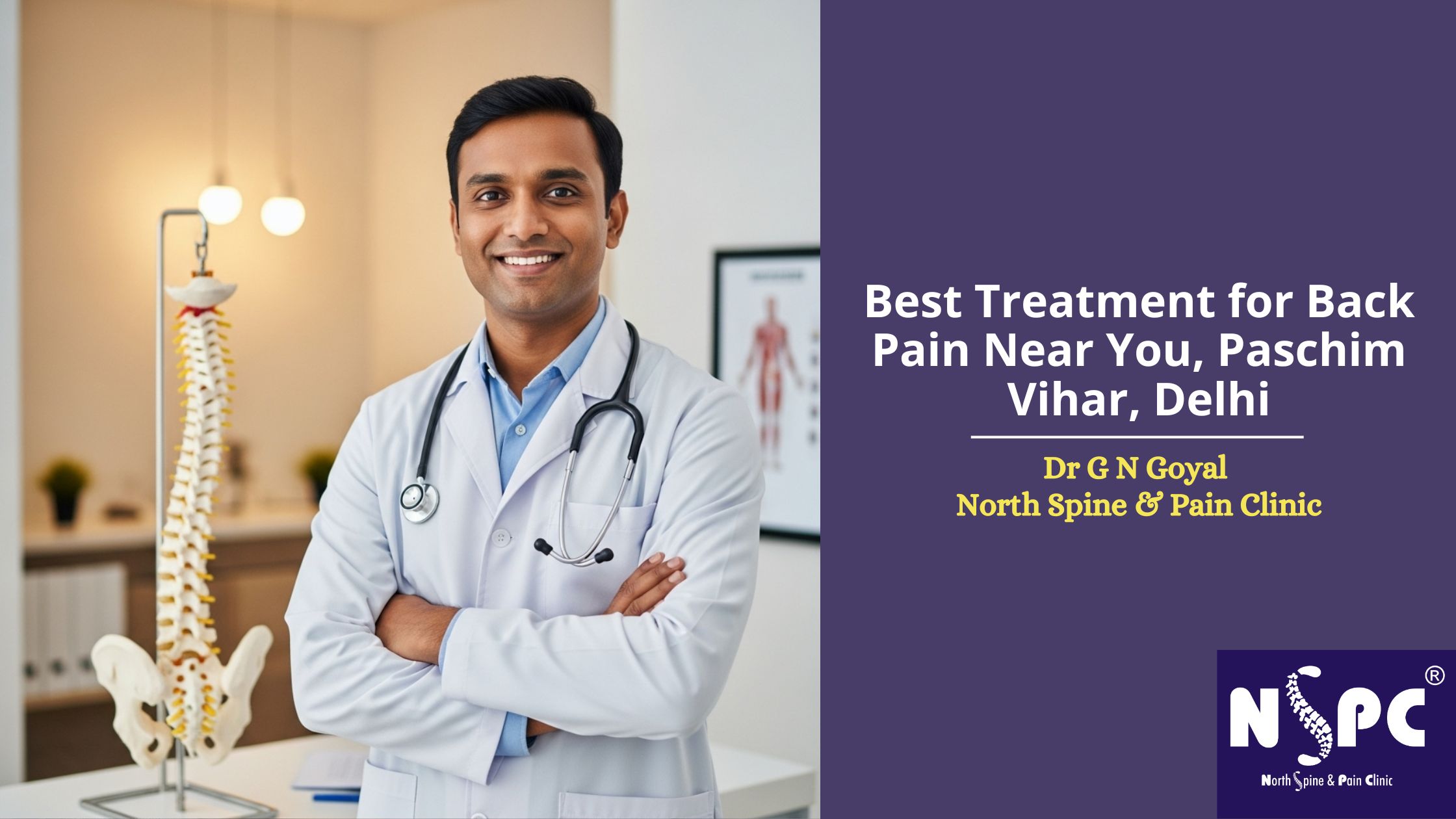
Best Treatment for Back Pain Near Me in Paschim Vihar, Delhi – Trusted Relief That Works

Are you searching for the best treatment for back pain near me in Paschim Vihar or West Delhi and Rohini or North Delhi? You’re not alone. Back pain is one of the most common conditions today, affecting young professionals, homemakers, and seniors alike. At our Spine and Pain Clinic in Delhi, we provide non-surgical, advanced back pain treatments that aim to give you long-term relief without dependency on painkillers or surgery.

Why You Might Be Experiencing Back Pain

Back pain can arise from a range of issues, such as:

Ignoring early signs can lead to severe lower back pain or long-term spinal issues.

Back Pain Specialists You Can Trust in Paschim Vihar and Rohini

We are a trusted Spine & pain clinic in Delhi led by experienced pain management doctors specializing in:

Patient Tip: If you’re wondering “Which doctor for back pain near me?” — our certified spine pain experts in Paschim Vihar and Rohini offer both accurate diagnosis and effective treatment.

What Makes Our Treatment Unique?

We focus on minimally invasive, non-surgical options like:

And yes, we offer custom treatment plans based on severity — whether you’re dealing with a slipped disc (L5-L4) or simple muscular strain.

Location-Specific Advantage – Why Choose Us in Paschim Vihar or Rohini

Located in West Delhi and North Delhi, our clinic is easy to reach and well-known among those looking for:

We’ve treated hundreds of patients with chronic and severe back pain — from IT professionals to elderly patients — all with one goal: lasting relief without surgery.

Expert Advice from 20 Years of Experience:

  • Never ignore early warning signs like stiffness, nerve pain, or leg pain from the back.

  • Get MRI or X-ray as early diagnosis speeds up the treatment.

  • Don’t rely on over-the-counter painkillers — they offer only temporary relief.

Ready to Get Relief from Back Pain?

Book your appointment today for the most reliable treatment for back pain near me in Paschim Vihar, Delhi and Rohini, Delhi

Visit: PainPhysicianIndia.com
Call Now: +91-9654780507
Limited same-day slots available

Don’t let back pain stop you from living your life. Whether it’s sitting pain, herniated disc, or chronic low back ache, our Delhi-based clinic offers a proven path to recovery. If you searched “treatment for back pain near me”, your solution is right here — in Paschim Vihar and in Rohini.

Ready to Take Action?
Stop living with pain — it’s time to act. Book your appointment with a trusted back pain specialist Dr at our Back pain & Spine clinic in Paschim Vihar, Delhi and Rohini, Delhi – Ex – AIIMS Dr G N Goyal. You may also click on the WhatsApp icon. Our services are also available at Haryana and Punjab.
Click below to consult a lower back pain specialist and start your journey toward relief. Whether your issue is due to a bad posture or chronic spine condition, we’re here to help.

[Book Consultation Now]

Hear from Our Happy Patients

You may please click on , to know the pleasant experiences and testimonials of our Back Pain patients.
low back pain specialist near me

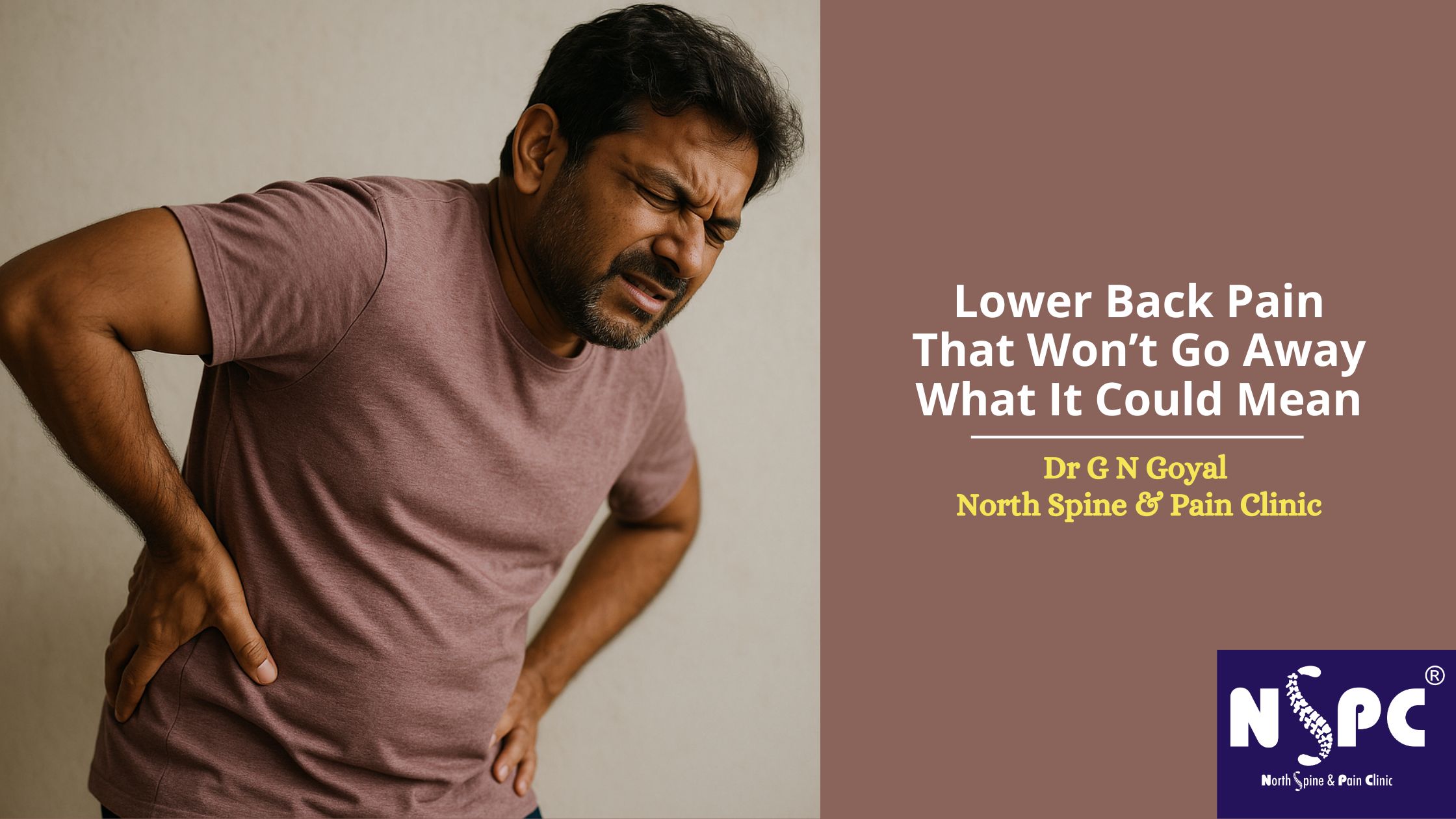
Lower Back Pain That Won’t Go Away – What It Could Mean

Persistent lower back pain can be more than just discomfort – it could signal a deeper problem. When back pain won’t go away, it’s essential to consult a low back pain specialist near me for a proper diagnosis and care.

Why Back Pain Becomes Chronic

  1. Muscle or Ligament Strain
    Everyday movements, long sitting hours, or poor posture often lead to back strain. If untreated, it may worsen over time.
  2. Herniated Disc
    A slipped or bulging disc can compress nerves, leading to constant backache and leg pain – needing urgent back pain treatment near me.
  3. Spinal Stenosis
    Narrowing of the spine puts pressure on nerves and is a common reason for chronic pain in adults over 50.
  4. Degenerative Disc Disease
    With age, spinal discs weaken. Pain from disc degeneration may only improve through expert pain management in Delhi.

Why Choose a Back Pain Specialist Doctor?

A general doctor or physician may offer short-term solutions, but only a back pain specialist doctor understands spine-related pain in depth. Visiting a low back pain specialist near me ensures accurate diagnosis and treatment like:

• Physiotherapy
• Pain relief injections
Non-surgical, minimally invasive procedures (MIPSI treatments)
Non-surgical, keyhole techniques (MIPSI treatments)
• Lifestyle adjustments
• Spine endoscopy treatments
• Pain-relieving medications
• Epidural steroid injections

Trusted Back Pain Treatment Near Me in Delhi

Looking for back pain treatment near me that actually works? North Spine and Pain Clinic offers the best pain management in Delhi. With advanced equipment and experienced doctors, they treat the root cause – not just symptoms.

When to Visit a Specialist Immediately

Seek help from a back pain specialist doctor or low back pain specialist near me if:

  • Pain continues beyond 3–4 weeks
  • There’s tingling or weakness in legs
  • Daily movement becomes difficult
  • Pain follows an injury or fall

Ignoring persistent back pain can worsen your condition. If you’re looking for a trusted back pain treatment near me, visit North Spine and Pain Clinic, known for offering the best pain management in Delhi. Their expert back pain specialist doctors are ready to help you recover without surgery.

Ready to Take Action?
Stop living with pain — it’s time to act. Book your appointment with a trusted back pain specialist Dr at our Back pain treatment in Delhi by Ex – AIIMS Dr G N Goyal. You may also click on the WhatsApp icon. Our services are also available at Haryana and Punjab.

Click below to consult a Back pain specialist doctor and start your journey toward relief. Whether your issue is due to a bad posture or chronic spine condition, we’re here to help.

[Book Consultation Now]

Hear from Our Happy Patients

You may please click on, to know the pleasant experiences and testimonials of our Back Pain patients.
Kyphoplasty

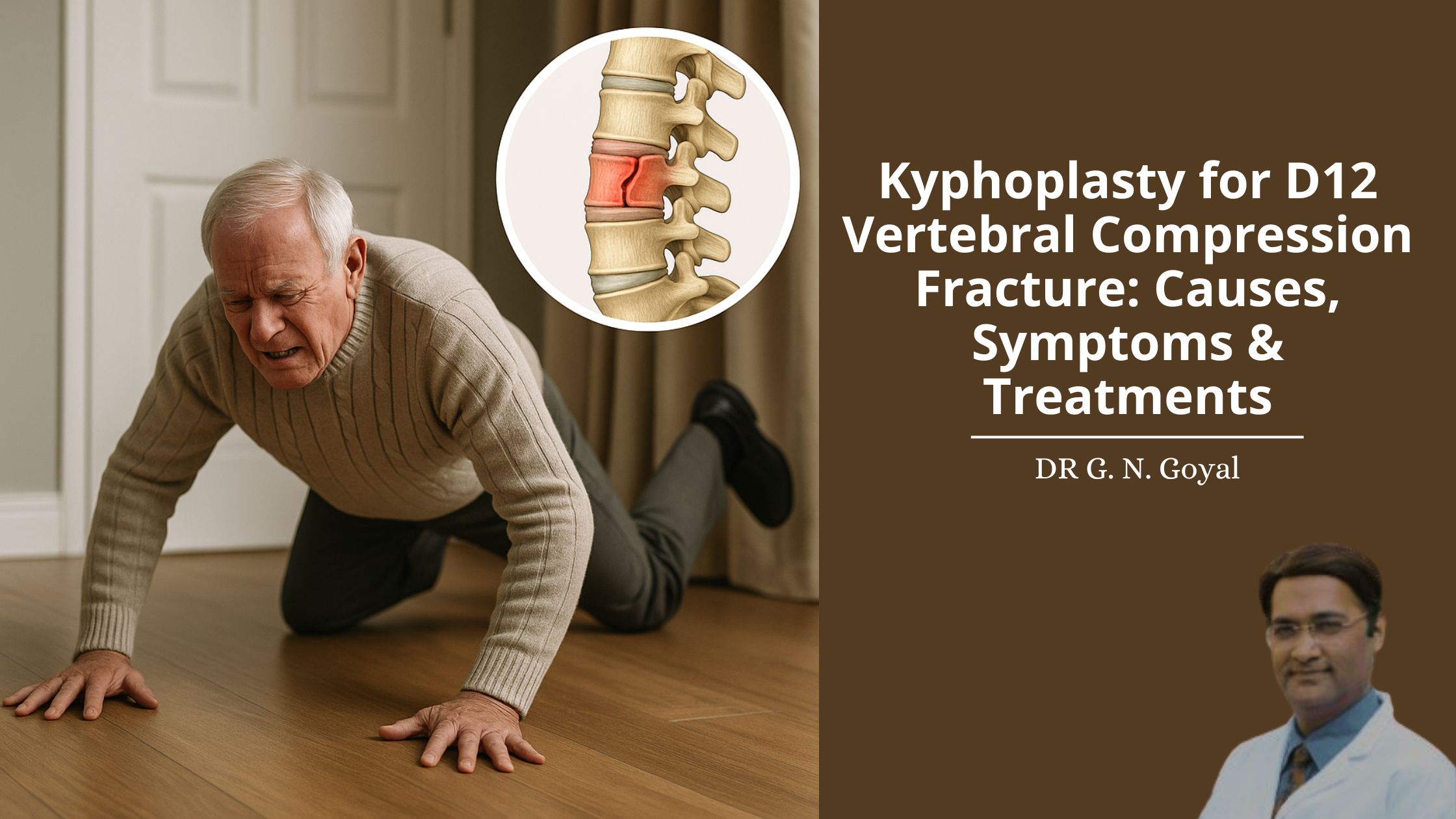
Kyphoplasty for D12 Vertebral Compression Fracture: Causes, Symptoms & Treatments

A compression fracture of the D12 vertebra (the twelfth thoracic vertebra) is a common spinal injury, especially among elderly individuals with osteoporosis. These fractures often occur due to weakened bones and can result in significant back pain and reduced mobility. One of the most effective treatments is Kyphoplasty.

🦴 What is a Compression Fracture of the D12 Vertebra?

A compression fracture happens when the vertebra collapses or is compressed due to trauma or weakened bone strength. The D12 vertebra lies in the lower thoracic spine, just above the lumbar region, and is particularly vulnerable to stress from daily movements or falls in individuals with brittle bones.

⚠ Causes and Risk Factors

The most common cause of D12 compression fracture is osteoporosis, a condition where bones become porous and weak due to deficiency of Vitamin D in the body. Other causes include:

* Traumatic injury (e.g., fall or accident), minor injury usually
* Cancer metastasis weakening the vertebra
* Long-term corticosteroid use

🔍 Symptoms to Watch For

* Sudden back pain in the mid to lower back. Lying down pain may be an indicator
* Decreased height over time
* Spinal deformity or hunching (kyphosis)
* Limited mobility
* Numbness or tingling (if nerves are compressed)

 🧪 Diagnosis

Doctors usually confirm the diagnosis through:

* X-rays
* MRI or CT scans to check the extent of compression fracture and nerve involvement
* Bone density tests (DEXA scan) to assess osteoporosis

💉 Treatment Options: Focus on Non surgical Kyphoplasty

Treatment depends on the severity and cause of the fracture. Among all options, *Nonsurgical Kyphoplasty* has emerged as a popular minimally invasive procedure.

🔹 Conservative Treatments

* Short – term Bed rest and pain medications (short-term use only)
* Back brace for support
* Very gentle physical therapy, If any. Better to avoid
* Osteoporosis medication (e.g., bisphosphonates etc)

🔹 Kyphoplasty: A Minimally Invasive Solution

Non surgical Kyphoplasty is a targeted procedure to treat compression fractures, especially in osteoporotic patients.

A balloon is inserted into the fractured vertebra to create space and restore height.
Medical-grade bone cement is then injected to stabilize the bone.
This helps relieve pain, correct spinal deformity (kyphosis), and improve mobility.
Surgical kyphoplasty with implants is also available when required.

Compared to vertebroplasty, Kyphoplasty is often preferred when spinal curvature or vertebral height restoration is a concern.

🕒 Recovery and Outlook After Kyphoplasty

Most patients recover within weeks after Kyphoplasty. It is minimally invasive, usually done on an outpatient basis, and provides fast pain relief. Long-term management includes treating the underlying osteoporosis to prevent recurrence.

 🛡 Prevention Tips

Maintain a calcium- and vitamin D-rich diet
Engage in weight-bearing exercises
Avoid smoking and excessive alcohol
Get regular bone density screenings

Have you undergone Kyphoplasty or are considering it? Share your experience in the comments below.
Visit the Non surgical Kyphoplasty and Spine Fracture SpecialistDr. G N Goyal for non-surgical, minimally invasive treatments in Delhi, Haryana, or Punjab at Our Spine ClinicNSPC Clinic. Click on WhatsApp icon to connect directly.

Contact Us

Hear from Our Happy Patients

You may please click on the following link, to know the pleasant experiences of our Spine fracture patients.

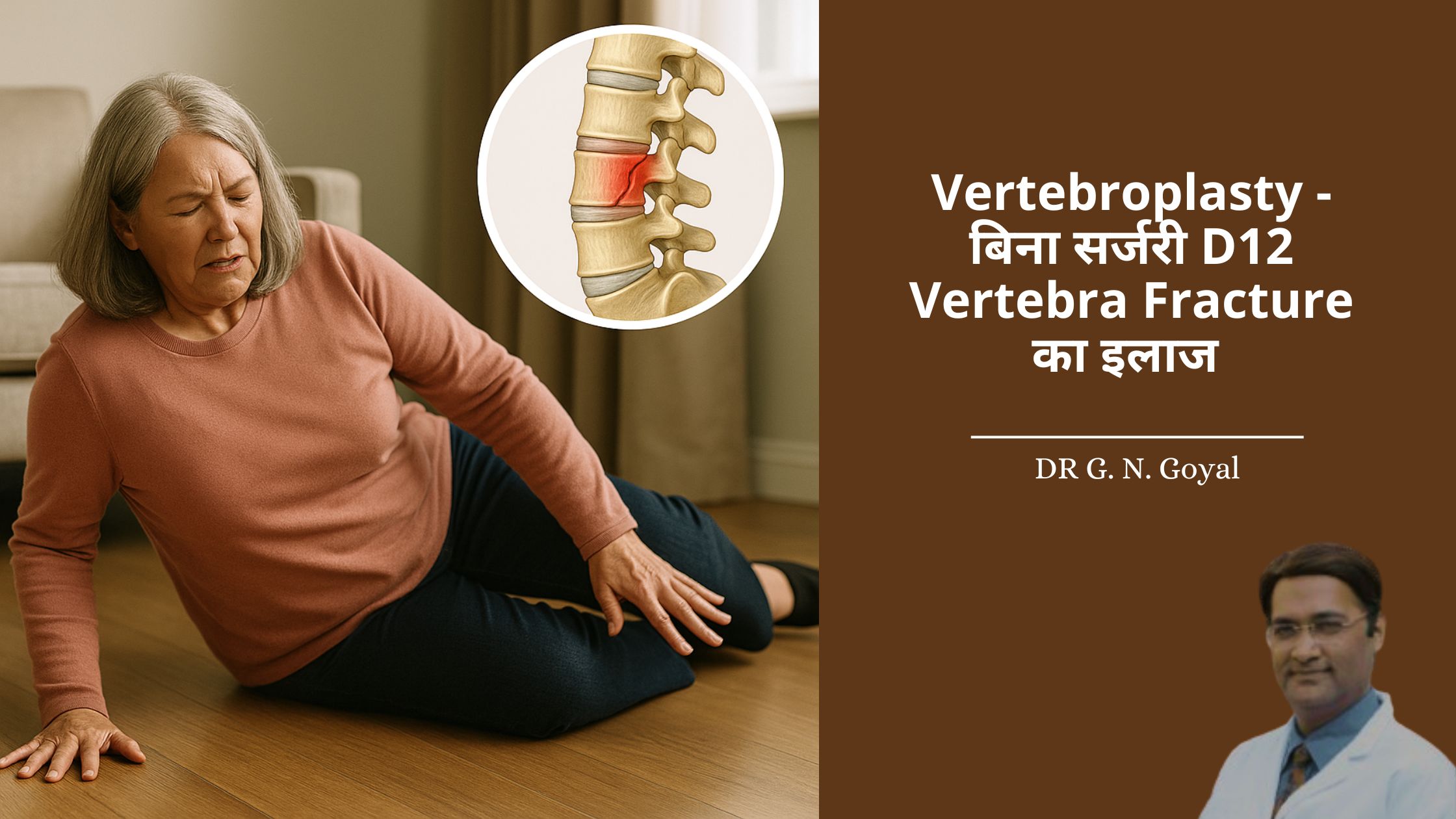
Vertebroplasty

Vertebroplasty: बिना सर्जरी D12 Vertebra Fracture का इलाज – NSPC Clinic

🦴 D12 Vertebra में Compression FractureOsteoporosis की वजह से और उसका इलाज बिना सर्जरी के
D12 vertebra यानी आपकी रीढ़ की हड्डी के नीचे वाले हिस्से में अगर compression fracture हो जाए, तो ये बुज़ुर्गों में बहुत कॉमन होता है – खासकर उन लोगों में जिन्हें osteoporosis होता है। यानी जब हड्डियाँ कमज़ोर हो जाती हैं, तो हलकी चोट से भी fracture हो सकता है। इससे पीठ में तेज़ दर्द और चलने-फिरने में तकलीफ़ हो सकती है।

🦴 Compression Fracture of the D12 Vertebra क्या होता है?

जब किसी रीढ़ की हड्डी पर ज़्यादा दबाव पड़ता है या हड्डी बहुत कमज़ोर होती है, तो वह दबकर बैठ जाती है या टूट जाती है। इसी को compression fracture कहते हैं। D12 vertebra रीढ़ की हड्डी के लोअर thoracic हिस्से में होता है, जो कमर के ठीक ऊपर होता है – इसलिए ये fracture वहाँ ज़्यादा होता है।

⚠ कारण और रिस्क फैक्टर

सबसे कॉमन कारण osteoporosis होता है – यानी जब शरीर में Vitamin D की कमी के कारण हड्डियाँ खोखली और कमज़ोर हो जाती हैं। इसके अलावा:
• हल्की या मामूली चोट लगना (जैसे गिरना या छोटी दुर्घटना)
• कैंसर का असर अगर हड्डी तक पहुँच जाए
• लंबे समय तक corticosteroid दवाओं का इस्तेमाल

🔍 लक्षण
• अचानक पीठ के बीच या नीचे वाले हिस्से में तेज़ दर्द, खासकर लेटने पर दर्द महसूस होना
• समय के साथ कद छोटा लगने लगना
• रीढ़ की हड्डी झुक जाना (kyphosis)
• चलने-फिरने में दिक्कत
सुन्नपन या झनझनाहट अगर नस पर दबाव पड़ रहा हो

🧪 कैसे पता चलता है?

डॉक्टर आमतौर पर इन टेस्ट्स से डायग्नोसिस करते हैं:
• X-ray
• MRI या CT Scan – fracture कितना है और नस पर असर हुआ है या नहीं
• DEXA Scan – जिससे हड्डियों की मजबूती यानी osteoporosis का पता चलता है

💉 इलाज के तरीके

इलाज fracture की गंभीरता और कारण पर निर्भर करता है।
🔹 साधारण (Conservative) इलाज:
• कुछ दिन आराम और दर्द की दवाइयाँ (लंबे समय तक बिस्तर पर रहना नुकसानदायक हो सकता है)
• बैक ब्रेस पहनना ताकि सपोर्ट मिले
• हल्की-फुल्की physiotherapy (वो भी सावधानी से)
• Osteoporosis के लिए दवाइयाँ जैसे bisphosphonates

🔹 Non-surgical, Minimally Invasive इलाज:

1. Vertebroplasty
इस प्रक्रिया में लोकल एनेस्थीसिया के तहत एक खास bone cement को fracture वाली vertebra में inject किया जाता है। ये procedure image guidance से किया जाता है और ज़्यादातर cases में patient को same day discharge कर दिया जाता है। इससे तेज़ राहत मिलती है। ज़रूरत हो तो इसे सर्जरी के साथ भी किया जा सकता है, अगर कोई implant या hardware लगाना हो।

2. Kyphoplasty
इसमें पहले एक छोटा balloon vertebra में डाला जाता है जिससे थोड़ी height वापस लाई जा सके, फिर cement inject किया जाता है। जब रीढ़ की हड्डी झुक गई हो (kyphosis), तो ये तरीका ज़्यादा फायदेमंद माना जाता है। Surgical kyphoplasty का option भी मौजूद है, जिसमें implant use किया जा सकता है।

🕒 रिकवरी और आगे की स्थिति

ज़्यादातर मरीज़ vertebroplasty या kyphoplasty के बाद कुछ ही हफ्तों में ठीक हो जाते हैं। ये दोनों तरीके minimally invasive होते हैं, जल्दी आराम देते हैं और recovery भी तेज़ होती है। लेकिन आगे fractures से बचने के लिए osteoporosis का इलाज बहुत ज़रूरी है।

🛡 बचाव के उपाय

• अपने खानपान में calcium और vitamin D को शामिल करें
• रोज़ाना हल्की-फुल्की weight-bearing exercises करें
• धूम्रपान और ज़्यादा शराब से बचें
• अगर आप रिस्क में हैं तो bone density की regular जांच करवाएं

📣 क्या आपको भी spine fracture हुआ है? नीचे कमेंट में अपना अनुभव ज़रूर शेयर करें!
अगर आपको है Osteoporotic Vertebral compression fracture, तो बिना सर्जरी वाले minimally-invasive इलाज के लिए मिलिए Dr. G N Goyal से – Delhi, Haryana या Punjab में NSPC Clinic (Spine Fracture Clinic) पर। अभी appointment बुक करें – या WhatsApp icon पर क्लिक करें।

📞 Contact Us

😊 Happy Patients की बातें सुनें

दिए गए लिंक पर क्लिक करें और जानें हमारे spine fracture patients के अच्छे अनुभव।

minimally invasive spine

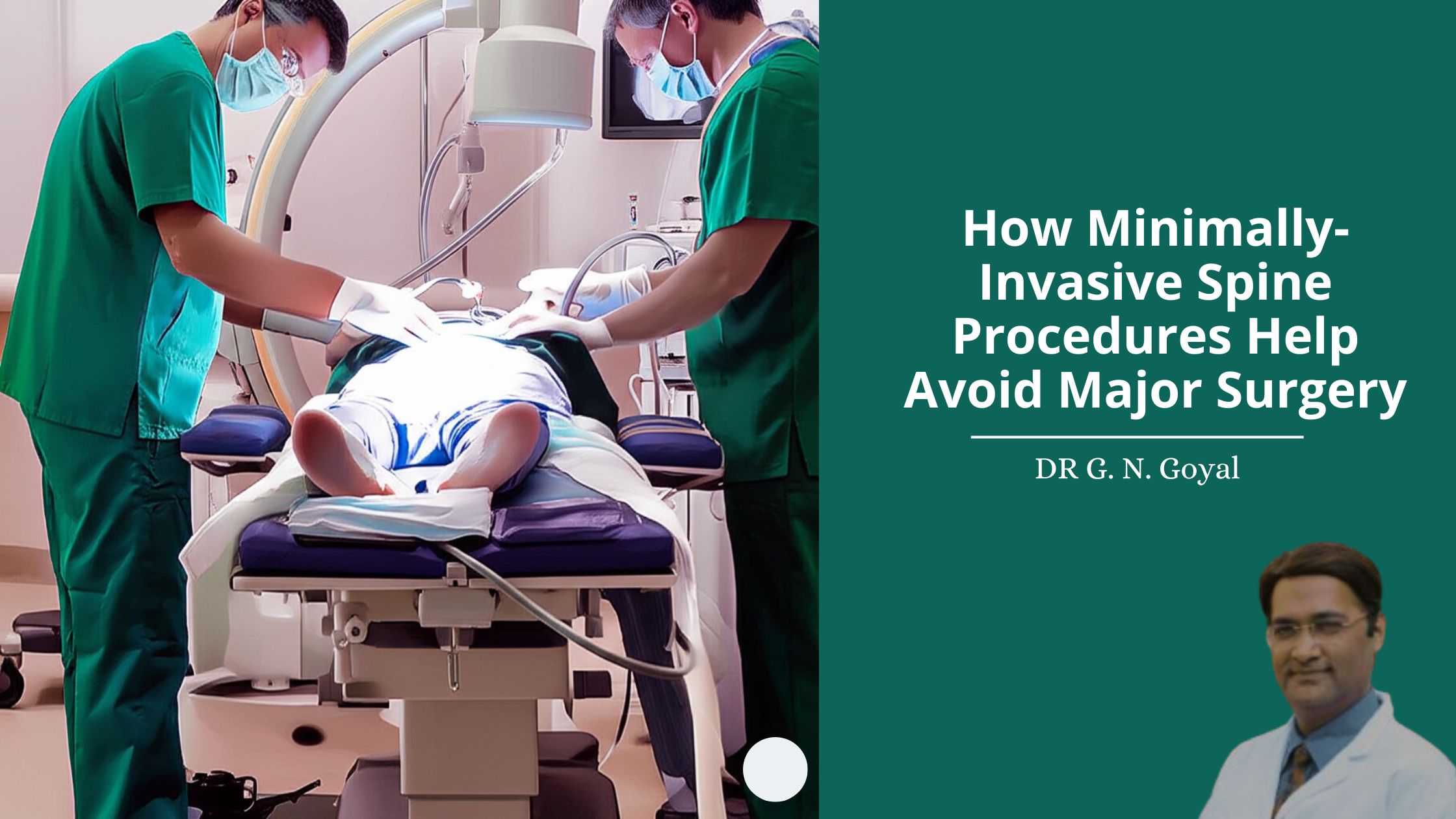
How Minimally-Invasive Spine Procedures Help Avoid Major Surgery

In recent years, minimally invasive spine procedures have revolutionized the way spinal conditions are treated. Patients who once faced the daunting prospect of open-back surgery now have the option to choose a safer, quicker, and less painful path to recovery. A minimally invasive procedure or minimally invasive intervention offers multiple benefits, making it a preferred choice for both patients and healthcare providers.

What is a Minimally Invasive Spine Procedure (MIPSI)?

A minimally invasive spine procedure involves using no incisions, no cuts, specialized instruments, and advanced imaging techniques to treat spinal disorders. Unlike traditional open surgery that requires large incisions and significant muscle dissection, a minimally invasive technique causes negligible damage to surrounding tissues.

The goal of a minimally invasive procedure or minimally invasive intervention is to achieve the same outcome as open surgery but with minimal complications, reduced hospital stays or no hospital admission, and faster recovery times. These procedures are commonly used to treat herniated discs, spinal stenosis, degenerative disc disease, compression vertebral fractures, and other spinal conditions.

Benefits of Minimally Invasive Spine Procedures (MIPSI)

There are numerous advantages of choosing a minimally invasive spine procedure over traditional surgery:

1. Smaller Incisions or No Incisions

A minimally invasive procedure or minimally invasive intervention typically requires no incision or incisions approximately 1 cm in length. This greatly reduces scarring and leads to better cosmetic outcomes.

2. Less Blood Loss or No Blood Loss

Because the treating area is more controlled and precise, a minimally invasive approach significantly reduces blood loss during the procedure.

3. Shorter Hospital Stay

Many minimally invasive spine procedures are performed on an outpatient basis, allowing patients to return home the same day or after a short hospital stay.

4. Reduced Pain and Faster Recovery

The reduced trauma to muscles and soft tissues means less post-procedure pain and a faster return to normal activities. Patients often resume work and daily life much sooner compared to those who undergo traditional surgery.

5. Lower Risk of Infection

Smaller incisions and less exposure of internal tissues lower the chances of infection, making a minimally invasive procedure or minimally invasive intervention safer overall.

Common Minimally Invasive Spine Techniques (MIPSI)

Several types of minimally invasive spine procedures are available, depending on the condition being treated:

All these techniques fall under the umbrella of minimally invasive procedures or minimally invasive interventions and help patients recover without the stress of major operations.

When is MIPSI, a Minimally Invasive Procedure or Minimally Invasive Intervention Recommended?

Not every patient is a candidate for a minimally invasive procedure. However, for those back pain or cervical pain patients with conditions like disc herniation, sciatica, spinal pain, cervical spondylosis, cervical spondylitis, or stenosis, it can be an ideal alternative to open surgery. A thorough evaluation by a spine specialist is essential to determine the most appropriate treatment.

Final Thoughts

As medical technology continues to advance, minimally invasive spine procedures are becoming the gold standard for treating a wide range of spinal disorders. The ability to avoid large incisions, reduce complications, and speed up recovery is transforming patient experiences across the globe.

If you or a loved one is dealing with chronic back pain, tail bone pain, neck pain, nerve pain or a spinal issue, consulting a specialist about a minimally invasive procedure or minimally invasive intervention could be the first step toward a healthier, pain-free life.

Visit the Minimally – Invasive Spine Treatment SpecialistDr. G N Goyal for any non-surgical, minimally invasive, keyhole treatments in Delhi, Haryana or Punjab, at the nearest Spine ClinicNSPC Clinic, and book your appointment now! Or Click on WhatsApp icon.

Contact Us

Hear from our Happy Patients

You may please click here to know the pleasant experiences of our back pain patients and cervical pain patients.

D12 vertebral compression fracture

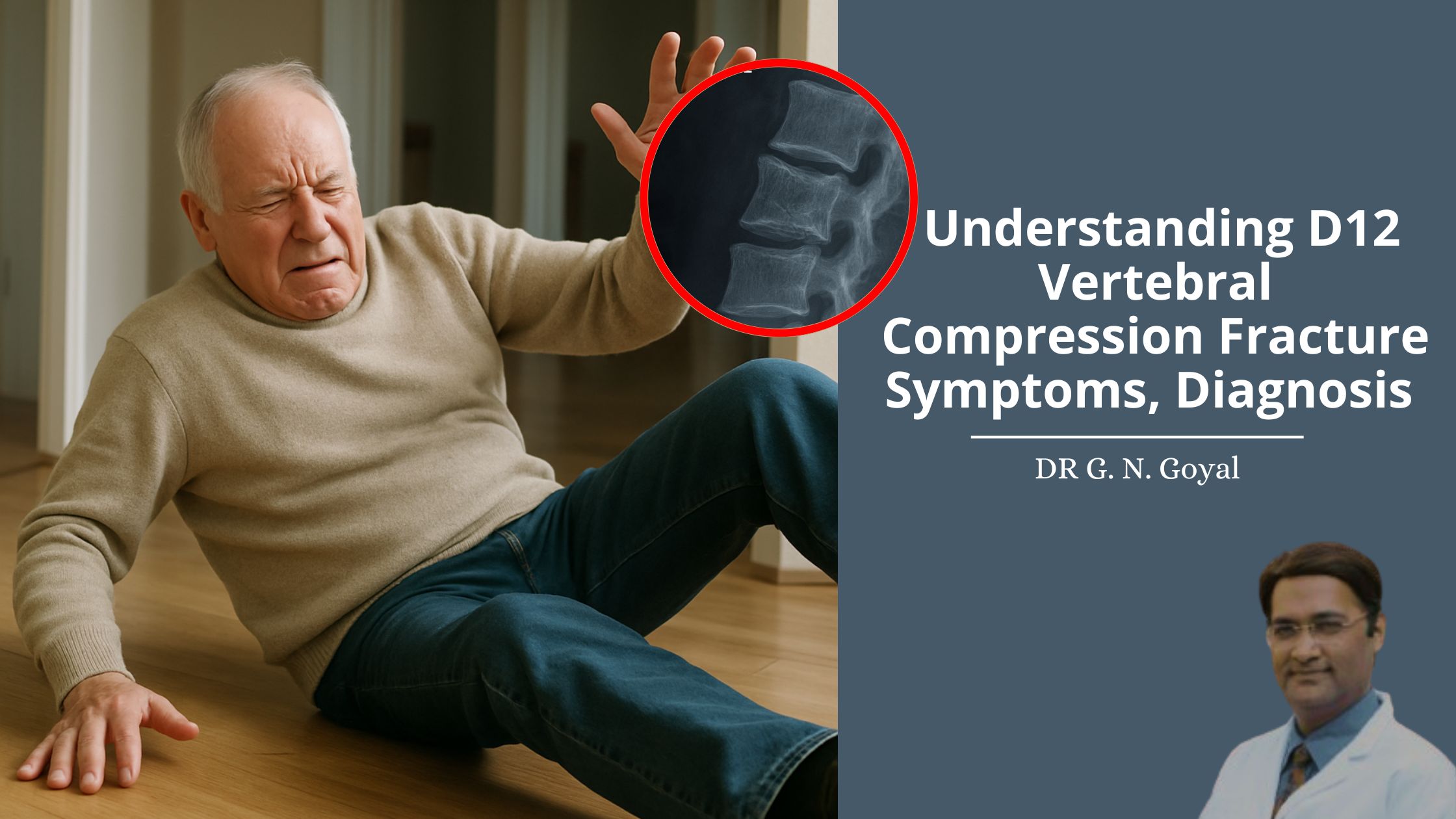
Understanding D12 Vertebral Compression Fracture: Symptoms, Diagnosis

Vertebral compression fractures are painful and can significantly impact spinal mobility. Among them, the D12 vertebral compression fracture is one of the most commonly diagnosed, especially in older adults or those with osteoporosis. Recognizing the early vertebral compression fracture symptoms is crucial for timely treatment and avoiding further complications.

In this blog, we’ll cover the signs to look out for, what the compression fracture of vertebral column and how to deal with a D12 vertebral compression fracture effectively.


🔍 What Is a Vertebral Compression Fracture?

A vertebral compression fracture occurs when a vertebra in the spine collapses due to pressure, trauma, or bone weakening. The D12 vertebral compression fracture, located at the thoracolumbar junction, often causes localized pain and postural changes.

Patients may initially ignore vertebral compression fracture symptoms, mistaking them for regular backaches. However, if not treated, it can lead to chronic pain and spinal deformity.


⚠ Common Vertebral Compression Fracture Symptoms

Understanding the vertebral compression fracture symptoms helps with early detection and intervention. Here are the most frequently reported signs:

  • Sudden back pain, especially after a minor fall or strain
  • Pain while standing or walking
  • Height loss over time
  • Kyphosis (hunched back appearance)
  • Limited spine mobility

If these vertebral compression fracture symptoms match what you’re experiencing, it’s important to consult a spine specialist immediately — particularly when there’s suspicion of a D12 vertebral compression fracture.


🏥 Why D12 Vertebral Compression Fracture Needs Immediate Attention

A D12 vertebral compression fracture lies near the transition between the thoracic and lumbar spine, making it a crucial junction for weight-bearing and movement. Left untreated, it can lead to:

  • Chronic pain
  • Nerve impingement
  • Reduced mobility
  • Spinal instability

Doctors will often evaluate the vertebral compression fracture symptoms using X-rays, MRIs, and CT scans. Once confirmed, they reference the correct compression fracture of vertebral column document and start treatment.


💊 Treatment Options for Vertebral Compression Fracture

Treatment varies depending on the severity of the D12 vertebral compression fracture and the associated vertebral compression fracture symptoms:

  • Pain management through medication
  • Bed rest
  • Bracing for spinal support
  • Pain management through Non-surgical, Minimally invasive procedures like kyphoplasty or vertebroplasty
  • Surgical kyphoplasty or vertebroplasty with implant

🧘 Recovery Tips for D12 Vertebral Compression Fracture

If you’re recovering from a D12 vertebral compression fracture, follow these habits:

  • Avoid lifting heavy objects
  • Practice good posture
  • Do light exercises under supervision
  • Focus on calcium-rich nutrition

Monitoring vertebral compression fracture symptoms during recovery is essential. If pain worsens or mobility reduces, consult your doctor again.


✅ Final Thoughts

Recognizing vertebral compression fracture symptoms early — especially in cases like D12 vertebral compression fracture — leads to faster recovery and fewer complications. If you or a loved one is facing back pain or was recently diagnosed, ensure your reports and care plans align with the proper compression fracture of vertebral column standards.

Spinal health is crucial, and every vertebra matters.

Do you suffer from spine fracture? Share your experience in the comments below!
Visit the Back pain & Osteoporotic Vertebral compression fracture SpecialistDr. G N Goyal for any non surgical, minimally – invasive, keyhole treatments in Delhi, Haryana or Punjab, at the nearest Spine fracture ClinicNSPC Clinic, and book your appointment now! Or Click on Whatsapp on the right side of the screen.

Contact Us

Hear from our Happy Patients

You may please click on the following link, to know the pleasant experiences of our Spine fracture patients.

food for bones

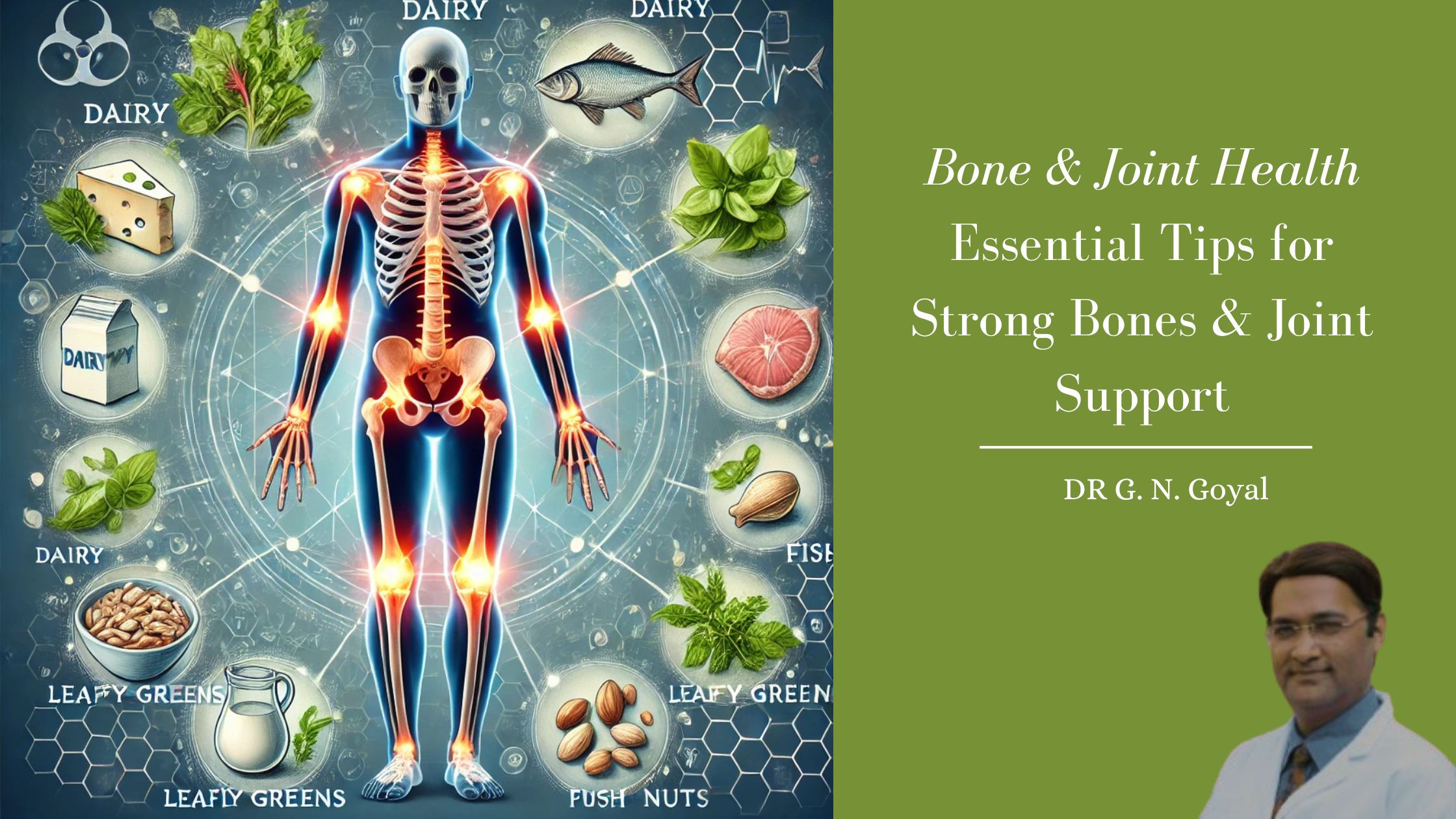
Bone & Joint Health: Essential Tips for Strong Bones & Joint Support

Food for bones and healthy joints are crucial for overall mobility and quality of life. Poor bone health can lead to conditions like osteoporosis, osteoarthritis, and frozen shoulder, which can limit movement and cause pain. In this blog, we’ll explore foods for strong bones and tips for maintaining bone health.

Importance of Bone & Joint Health

Bones provide structure to our body, protect vital organs, and store minerals like calcium and phosphorus. Joints, on the other hand, enable movement and flexibility. As we age, bones tend to lose density, making them more prone to fractures, while joints may experience wear and tear, leading to discomfort and mobility issues.

 Food for Strong Bones: Best Nutrients & Sources

Maintaining good bone health starts with proper nutrition. Here are some essential nutrients and foods that support strong bones:

1. Calcium-Rich Foods
Calcium is a key component of bone structure. Lack of calcium can lead to weak bones and conditions like osteoporosis.
– Dairy products: Milk, cheese, yogurt
– Leafy greens: Spinach, kale, collard greens
– Fortified foods: Almond milk, soy milk, cereals
– Nuts & seeds: Almonds, chia seeds, sesame seeds

2. Vitamin D Sources
Vitamin D is essential for calcium absorption in the bones.
Sunlight exposure
– Fatty fish: Salmon, mackerel, tuna
– Egg yolks
– Fortified foods: Orange juice, cereals, dairy products

3. Magnesium & Phosphorus for Bone Strength
Magnesium helps convert vitamin D into its active form, while phosphorus is a critical bone-building mineral.
– Nuts: Almonds, cashews, walnuts
– Whole grains: Brown rice, quinoa, oats
– Beans & lentils

4. Protein for Bone & Joint Health
Protein supports bone density and muscle strength.
– Lean meats: Chicken, turkey
– Egg
– Plant-based sources: Tofu, beans, lentils, nuts

5. Collagen & Omega-3 Fatty Acids
Collagen keeps joints flexible and reduces stiffness, while omega-3 fatty acids help reduce inflammation.
– Bone broth
– Fatty fish
– Chia seeds & flaxseeds

Taking care of your bones and joints is essential for a healthy, active life. A well-balanced diet, regular exercise, and preventive measures can help strengthen bones and prevent conditions like frozen shoulder and osteoarthritis knee pain. Start incorporating food for bones into your diet and adopt an active lifestyle for better bone health!

Do you suffer from Arthritis? Let us know in the comments!

Visit the Arthritis pain SpecialistDr. G N Goyal for any joints related Problems in Delhi, Haryana or Punjab, at the nearest Arthritis Clinic, and book your appointment now!
NSPC clinic has been serving the patients with most advanced treatments, care and compassion, giving best results.

Contact Us

back ache specialist

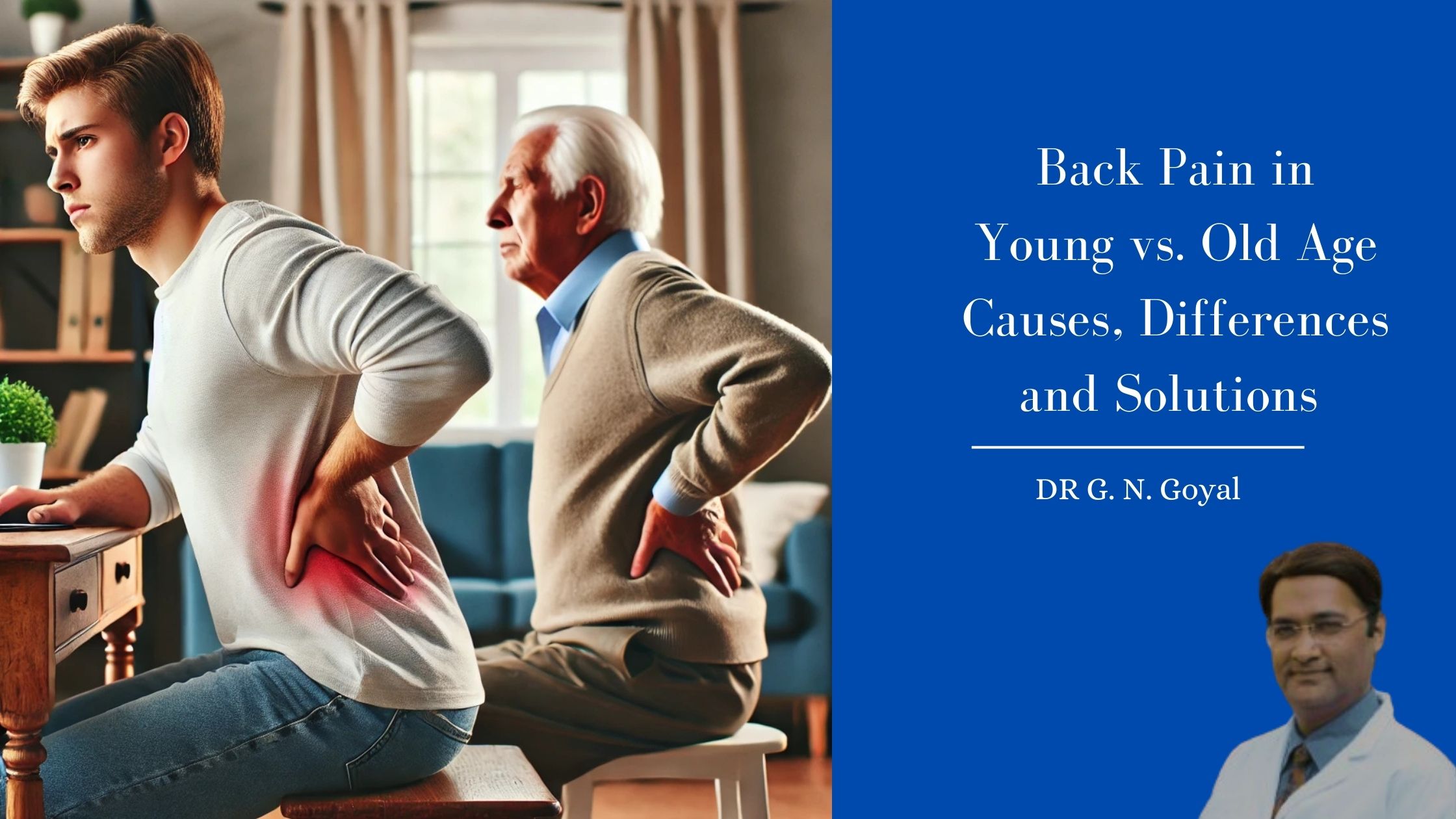
Back Pain in Young vs. Old Age: Causes, Differences, and Solutions

Why Does Back Pain Differ in Young and Old Age?

Back pain is a common issue that affects people of all ages. Whether you are a young professional or a senior citizen, lower back pain can impact your daily life. However, the causes and treatment options for back pain vary depending on age. Let’s explore the key differences and find the best solutions.

Causes of Back Pain in Young Age or Middle Age

1. Sedentary Lifestyle – Sitting for long hours, especially for office work or studying, can lead to lower back pain.
2. Poor Posture – Incorrect sitting or standing posture puts extra strain on the spine, leading to back ache.
3. Heavy Lifting at the Gym – Lifting weights without proper technique can cause sudden back injuries.
4. Stress and Anxiety – Mental stress leads to muscle tension, which can contribute to back pain.
5. Lack of Exercise – Weak back muscles due to lack of physical activity increase the risk of lower back pain.
6. Small injuries or jerks
7. Road traffic accidents
8. Slipped Disc
9. Sciatica  – It starts from lower back pain or as hip pain and runs down and behind the leg, upto ankle or toes,  known as radiculopathy.
10. Tail Bone pain

Causes of Back Pain in Old Age

1. Degenerative Disc Disease – With age, spinal discs lose flexibility, leading to pain and discomfort.
2. Osteoporosis – Weak bones due to calcium deficiency make older adults prone to fractures and chronic back pain.
3. Arthritis – Joint inflammation can cause stiffness and pain in the lower back.
4. Spinal Stenosis – Narrowing of the spinal canal compresses nerves, leading to severe pain.
5. Lack of Mobility – Reduced movement and flexibility in old age make back pain more persistent.
6. Injuries inside home like fall in the bathroom or on the stairs, leading to compression fracture in the backbone.
7. Myofascial pain

Lower Back Pain for Women – A Special Concern

Women are more prone to lower back pain due to:

– Menstrual Cycle & Hormonal Changes – Fluctuations in hormones affect spinal muscles.
– Pregnancy & Post pregnancy Changes – Extra weight during pregnancy strains the lower back.
Osteoporosis Risk – Women are more likely to suffer from weak bones, leading to back pain.

How to Treat Back Pain? (Expert Tips from a Back Pain Doctor)

For Young Age:
✔ Maintain Good Posture – Sit and stand correctly to reduce strain on your back.
✔ Regular Exercise – Strengthen core and back muscles with stretching and workouts.
✔ Take Breaks from Sitting – Move around every 30–40 minutes to avoid stiffness.
✔ Proper Weight Lifting Techniques – Lift with your legs, not your back, to prevent injuries.
Consult a Back Ache Specialist – If pain persists for more than 4 – 6 weeks, seek expert medical advice.

For Old Age:
✔ Gentle Yoga & Physiotherapy – Improves flexibility and relieves pain.
✔ Calcium & Vitamin D Supplements – Essential for strong bones.
✔ Use a Supportive Mattress & Chair – Helps maintain spinal alignment.
Consult a Back Ache Specialist – If pain persists for more than 4 – 6 weeks, seek expert medical advice.

Back pain is a common problem, but understanding the causes and differences in young vs. old age can help in effective treatment. If you or someone you know is struggling with persistent lower back pain, consult a back pain doctor or back ache specialist Dr G N Goyal, for the best care. Stay active, maintain a good posture, and take care of your spine for a pain-free life!

CONTACT US
You may please click on the following link, to know the pleasant experiences of our Back pain patients.

spine bone fracture

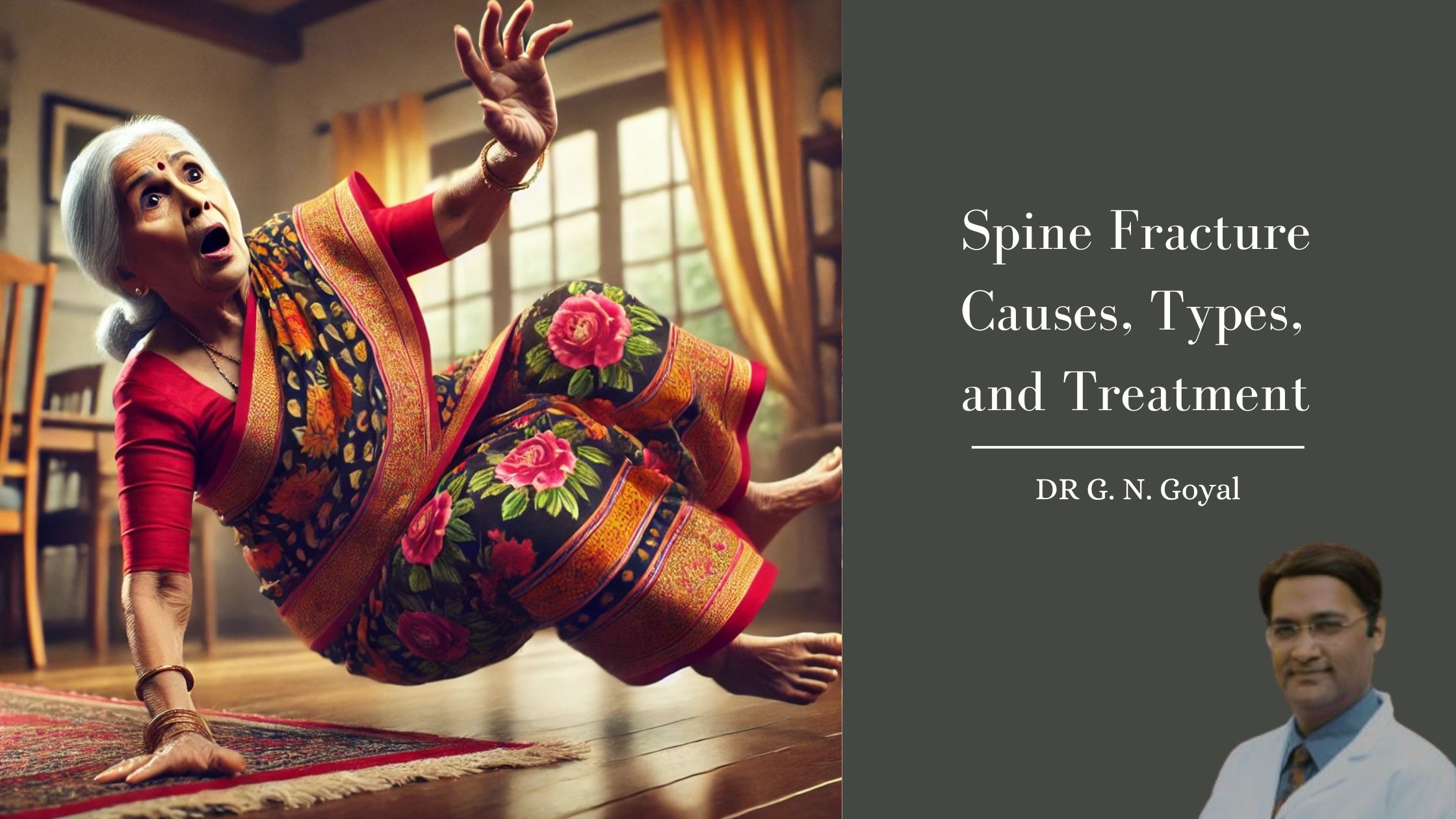
Spine Fracture: Causes, Types, and Treatment Options

Spine Fracture: Causes, Types, and Treatment Options

Spine fractures, also known as spine bone fracture, are serious injuries that affect the stability of the spinal column. These fractures can result from trauma, accidents, osteoporosis, or other underlying medical conditions. In this article, we will explore spine fractures, their causes, symptoms, various types of spinal fractures, and treatment options.

What is a Spine Fracture?

A spine fracture occurs when one or more bones in the spine, called vertebrae, break due to excessive force or weakened bone structure. These fractures can cause intense pain, mobility issues, and, in severe cases, nerve damage or paralysis. Identifying the type and severity of the spine bone fracture is crucial for effective treatment.

Common Causes of Spine Fracture

– Trauma and Accidents: Car crashes, falls, or sports injuries can lead to spine fractures.
Osteoporosis: Weak bones due to osteoporosis increase the risk of spine bone fractures, especially in older adults.
– Tumors and Infections: Some medical conditions can weaken the vertebrae, making them prone to fractures.
– High-impact Activities: Athletes or individuals engaged in heavy lifting are at a higher risk of experiencing spine fractures.

Types of Spinal Fractures

There are different types of spinal fractures, each varying in severity and treatment approach.

1. Compression Fracture
This type occurs when the vertebra collapses due to pressure, commonly seen in osteoporosis patients. It may lead to chronic pain and posture deformities.

2. Burst Fracture
A spine bone fracture where the vertebra breaks into multiple pieces, often caused by high-impact accidents. This can put pressure on the spinal cord, leading to nerve damage.

3. Flexion-Distraction Fracture
This happens when the spine bends beyond its normal range, usually seen in car accidents. It can result in severe back pain and instability.

4. Fracture-Dislocation
This severe spine fracture involves both a broken vertebra and misalignment of the spine. It often requires surgery to restore stability.

Symptoms of Spine Bone Fracture

– Severe back pain
Numbness or tingling sensation
– Difficulty in movement
– Loss of bladder or bowel control (in severe cases)
– Deformity in posture

Treatment Options for Spine Fracture

Treatment depends on the types of spinal fractures and their severity. Some common approaches include:

1. Supportive Treatment
– Bracing: Supports the spine and prevents further damage.
– Physical Therapy with precautions: Helps restore mobility and strength.
– Medications to relieve pain and inflammation.

2. Pain Management
-Non surgical, Minimally invasive, keyhole, percutaneous, awake Vertebroplasty/Kyphoplasty procedures to stabilize  particular spine bone fractures and faster pain relief.

3. Surgical Treatment
– Surgical Vertebroplasty/Kyphoplasty with Implant: Surgical procedures under anaesthesia to stabilize spine bone fractures.
– Spinal Fusion Surgery: Used for severe cases to align and stabilize the spine.

Prevention Tips
– Maintain a healthy diet rich in calcium and vitamin D.
– Exercise regularly to strengthen bones and muscles.
– Avoid high-risk activities without proper safety measures.
– Seek medical advice for bone health, especially in older age.

A spine fracture is a serious condition that requires immediate attention. Understanding the types of spinal fractures and available treatments can help manage and prevent complications. If you suspect a spine bone fracture, seek medical help promptly to ensure proper recovery and avoid long-term consequences.

Do you suffer from spine fracture? Share your experience in the comments below!
Visit the Osteoporotic Spine fracture Specialist or for any non surgical, minimally – invasive, keyhole treatments in Delhi, Haryana or Punjab Dr. G N Goyal, at the nearest Spine fracture Clinic, and book your appointment now!

1 2

Search

+