tailbone hurting

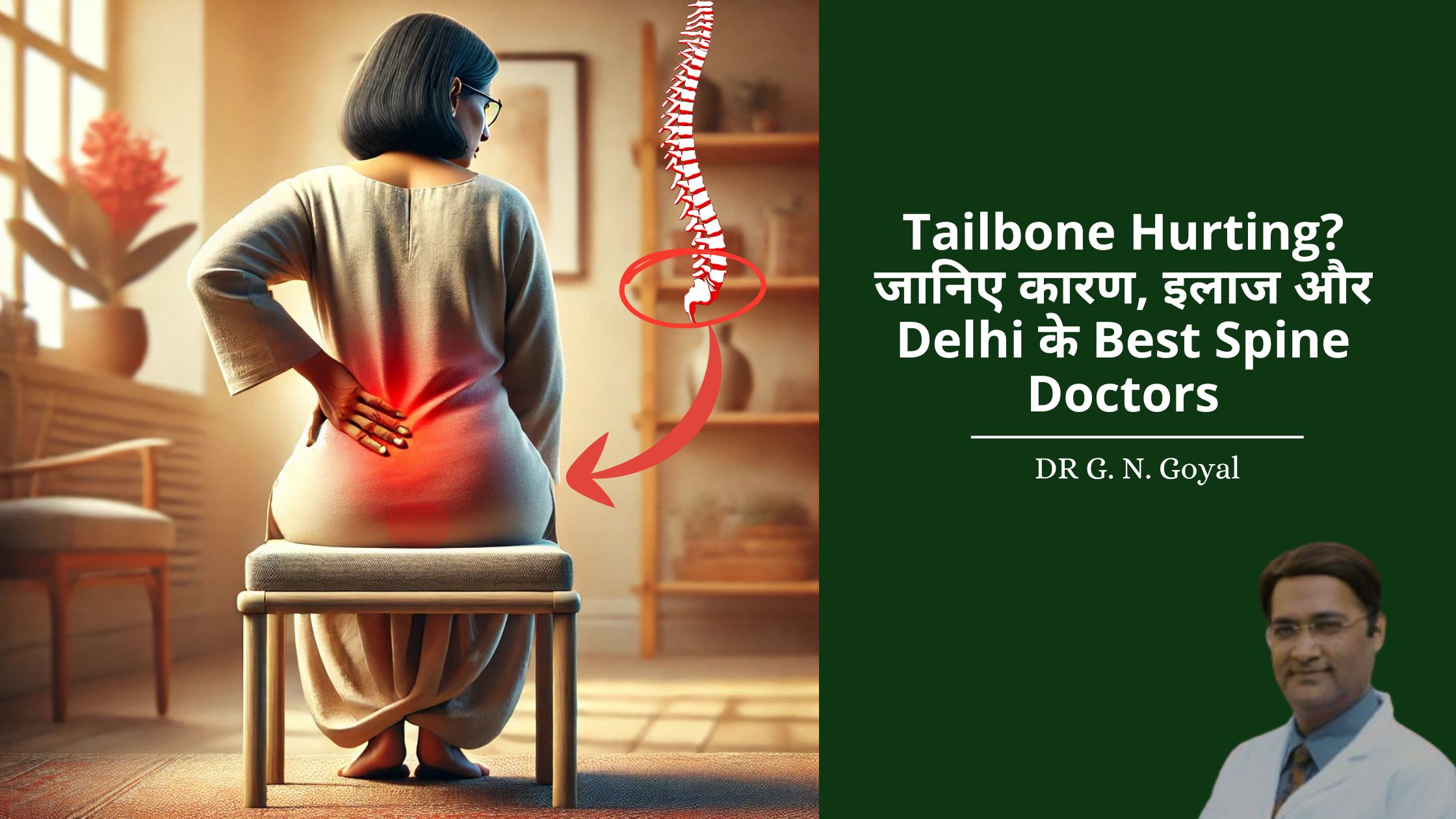
Tailbone Hurting? जानिए कारण, इलाज और Delhi के Best Spine Doctors

Tailbone में दर्द यानी tailbone hurting, हमारी रोज़मर्रा की ज़िंदगी को बहुत मुश्किल बना सकता है। बैठना, उठना—हर छोटा सा मूवमेंट भी दर्दभरा हो सकता है। यह दर्द कभी हल्का सुन्न सा हो सकता है, तो कभी तेज़ चुभने वाला। खासकर जब आप लंबे समय तक बैठते हैं या बैठकर उठते हैं।
दिल्ली (Delhi) में हज़ारों लोग इस दर्द को चुपचाप सहते हैं, क्योंकि उन्हें सही जानकारी या इलाज नहीं मिल पाता। लेकिन अब मदद उपलब्ध है। किसी भरोसेमंद back ache specialist या अनुभवी spinal clinic in Delhi से संपर्क करके इस दर्द का सटीक कारण पता लगाया जा सकता है और लंबा आराम पाया जा सकता है।

🩺 Tailbone में दर्द क्यों होता है?

टेलबोन में दर्द (tailbone hurting) के कई कारण हो सकते हैं:
• पीठ के बल गिरना या किसी और तरह की चोट
• कठोर सतह पर लंबे समय तक बैठना
गलत posture
• महिलाओं में प्रसव के बाद
• मोटापा या अचानक वजन घटना
• संक्रमण या हड्डी से जुड़ी बीमारियाँ
कई बार कोई स्पष्ट कारण नहीं मिलता, और इस स्थिति को coccydynia कहा जाता है।

🔍 Tailbone दर्द के आम लक्षण

• कठोर कुर्सियों पर बैठने में दर्द
• बैठी हालत से उठने पर तेज दर्द
• रीढ़ के निचले हिस्से में स्पर्श करने पर दर्द
• अगर चोट लगी हो तो सूजन या नील पड़ना
• बॉवेल मूवमेंट या शारीरिक संबंध के दौरान असहजता
अगर ये लक्षण कुछ दिनों से ज़्यादा समय तक बने रहें, तो spine pain doctors in Delhi से सलाह लेना ज़रूरी है।

🏥 Tailbone Hurting – कहाँ जाएँ? Delhi के टॉप Spinal Clinics

सही spinal clinic in Delhi चुनना बेहद ज़रूरी है। एक अनुभवी back ache specialist आपकी पूरी जांच करेगा, जिसमें शामिल हो सकता है:
• फिजिकल चेक-अप
• निचली रीढ़ और tailbone का X-ray या MRI
• आपकी चाल और posture की जांच

💉 Delhi में उपलब्ध इलाज के विकल्प

आपकी स्थिति की गंभीरता और कारण के आधार पर इलाज में शामिल हो सकता है:
• बैठने के लिए कुशन सपोर्ट
• सूजन कम करने वाली दवाइयाँ
• फिजियोथेरेपी और posture correction
• मैन्युअल थेरैपी या मालिश
• इंजेक्शन (जैसे स्टेरॉइड या नर्व ब्लॉक)
MIPSI ट्रीटमेंट – यह बिना सर्जरी के, कीहोल तकनीक से tailbone pain का इलाज है, जो Pain Specialist (Spine & Pain Specialist) डॉक्टर द्वारा किया जाता है
• कुछ दुर्लभ मामलों में, जब दर्द लगातार बना रहे, सर्जरी भी ज़रूरी हो सकती है
आधुनिक spinal clinics in Delhi में अब non-surgical, minimally invasive techniques भी उपलब्ध हैं जो बिना बड़ी सर्जरी के राहत देती हैं।

🙋‍♂ Spine Pain Doctor in Delhi से कब मिलें?

अगर आपकी टेलबोन में दर्द (tailbone hurting) एक हफ्ते से ज़्यादा समय तक बनी हुई है या आपकी रोज़मर्रा की गतिविधियों में रुकावट बन रही है, तो देर न करें। अनुभवी spine pain doctors in Delhi की सलाह से आप इस समस्या को क्रॉनिक बनने से रोक सकते हैं।

Tailbone Pain को घर पर कैसे मैनेज करें

• Donut-shape cushion पर बैठें
• लंबे समय तक बैठने से बचें
• सूजन के लिए आइस पैक लगाएँ
• एक्सपर्ट की देखरेख में हल्के पीठ के व्यायाम करें
• सही posture बनाए रखें

📍 निष्कर्ष: Tailbone दर्द से राहत सिर्फ एक विज़िट दूर

टेलबोन में दर्द (tailbone hurting) एक छोटी सी समस्या लग सकती है, लेकिन यह आपकी लाइफस्टाइल को बुरी तरह प्रभावित कर सकती है। अगर आपकी tailbone hurts, तो सही back ache specialist in Delhi से ज़रूर संपर्क करें।
Delhi के top spinal clinics और अनुभवी spine pain doctors के साथ अब आपको दर्द चुपचाप सहने की ज़रूरत नहीं है।

❗ जरूरत है मदद की?

आज ही हमारे spinal clinic in Delhi पर आएँ और जाने-माने spine pain doctors से personalized treatment plan पाएं। आपकी पीठ को चाहिए एक्सपर्ट केयर।
मिलिए Tailbone Pain SpecialistDr. G N Goyal से, दिल्ली, हरियाणा या पंजाब में किसी भी नज़दीकी Tailbone Pain Clinic पर और आज ही appointment बुक करें!

📞 CONTACT US

Happy Patients की बातें सुनिए

हमारे मरीज़ों के अच्छे अनुभव जानने के लिए कृपया यहाँ क्लिक करें

tailbone hurts

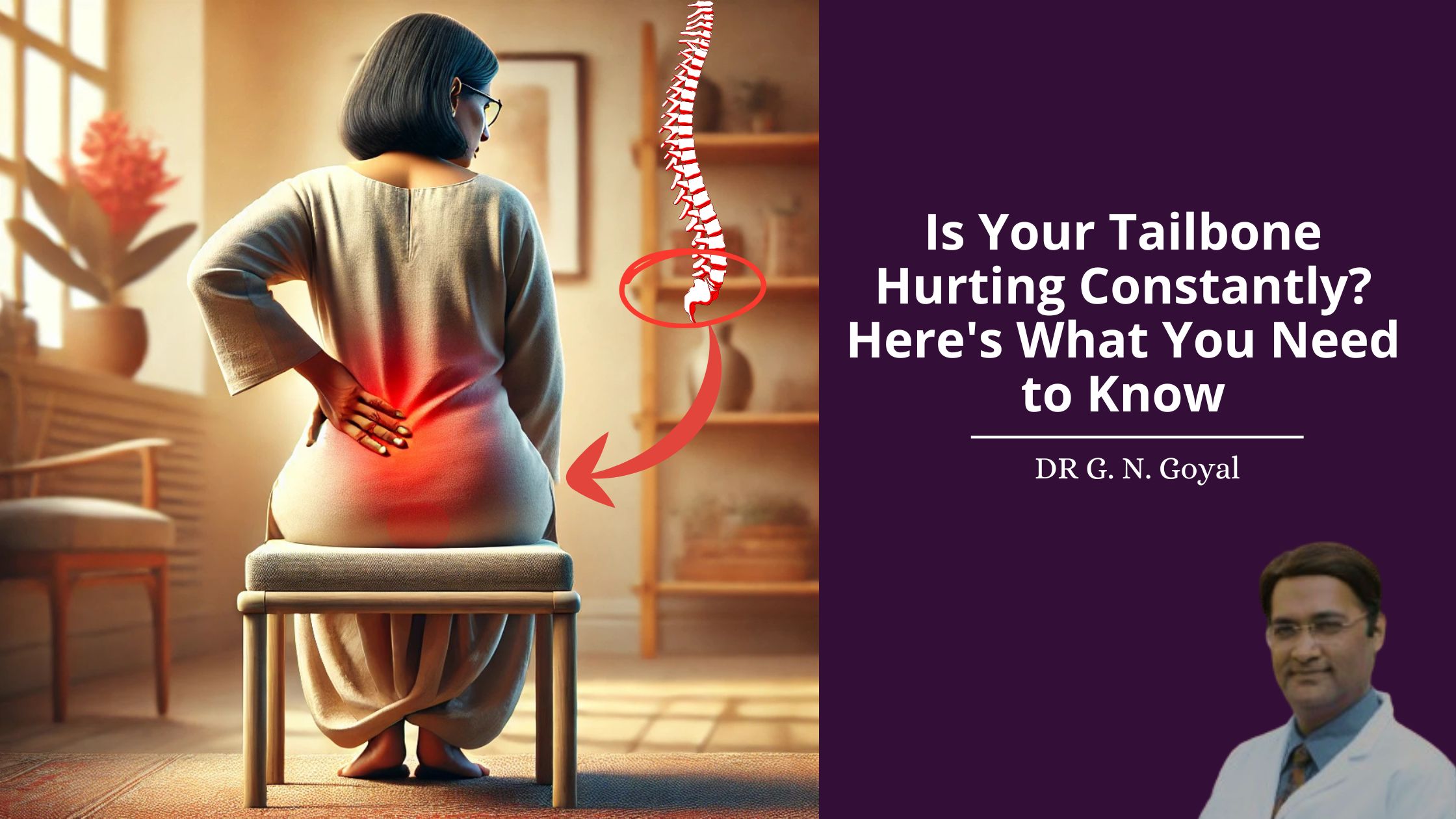
Is Your Tailbone Hurting Constantly? Here’s What You Need to Know

Pain in the tailbone, or coccyx, can make even basic movements like sitting or getting up a challenge. If your tailbone hurts, it’s not something you should ignore. The discomfort can range from dull aches to sharp, stabbing pain—especially when you sit for long hours or transition from sitting to standing.

In Delhi, thousands of people suffer silently due to a lack of awareness or access to proper care. But help is available. Visiting a trusted back ache specialist or spinal clinic in Delhi can help identify the exact cause and offer long-lasting relief.

🩺 Why Does the Tailbone Hurt?

There are multiple reasons why your tailbone might hurt:

* Injury or trauma (e.g., fall on the back)
* Long sitting hours on hard surfaces
* Poor posture
* Childbirth (in women)
* Obesity or rapid weight loss
* Infections or bone-related conditions

Sometimes, no specific cause is found, and the condition is termed coccydynia.

🔍 Common Symptoms of Tailbone Pain

* Pain while sitting, especially on hard chairs
* Pain while getting up from a seated position
* Local tenderness at the base of the spine
* Swelling or bruising in case of injury
* Discomfort during bowel movements or intercourse

If these symptoms persist beyond a few days, it’s time to consult a spine pain doctor in Delhi.

🏥 Where to Go When Your Tailbone Hurts – Top Spinal Clinics in Delhi

Finding the right spinal clinic in Delhi is crucial. A qualified back ache specialist will perform a thorough examination which may include:

* Physical check-up
* X-ray or MRI of the lower spine, along with tail bone
* Posture and movement analysis

💉 Treatment Options Available in Delhi

Depending on the cause and severity, treatment may include:

* Cushion support for sitting
* Anti-inflammatory medications
* Physical therapy and posture correction
* Manual manipulation or massage
* Injections (like steroid or nerve blocks for pain relief)
* MIPSI treatments – Non-surgical, minimally-invasive, keyhole treatments – One of the best treatments available for tailbone pain, offered by Pain Specialist (Spine & Pain Specialist) doctor.
* In rare cases, surgical intervention if the pain is chronic and unresponsive

Modern spinal clinics in Delhi also offer non surgical minimally invasive techniques that provide relief without the need for major surgery.

🙋‍♂ When to See a Spine Pain Doctor in Delhi?

If your tailbone hurts for more than a week, or the pain is interfering with your daily activities, don’t delay. Expert spine pain doctors in Delhi can help prevent the problem from becoming chronic.

✅ Tips for Managing Tailbone Pain at Home

* Sit on a donut-shaped cushion
* Avoid long periods of sitting
* Apply ice packs for swelling
* Stretch and do mild back exercises (under expert supervision)
* Maintain correct posture

📍 Conclusion: Relief is Just One Visit Away

Tailbone pain may feel like a small issue, but it can disrupt your lifestyle. If your tailbone hurts, it’s best to consult the right back ache specialist in Delhi. With top-notch spinal clinics and spine pain doctors in Delhi, you don’t need to suffer in silence.

Visit our recommended spinal clinic in Delhi today and get a personalized treatment plan from leading  spine pain doctors. Your back deserves expert care.

Visit the Tailbone Pain Specialist – Dr G N Goyal or for any other lower back related Problems in Delhi, Haryana or Punjab, at the nearest Tailbone Pain Clinic, and book your appointment now!

CONTACT US

Hear from our Happy Patients

You may please click here, to know the pleasant experiences of our patients.

Vertebroplasty

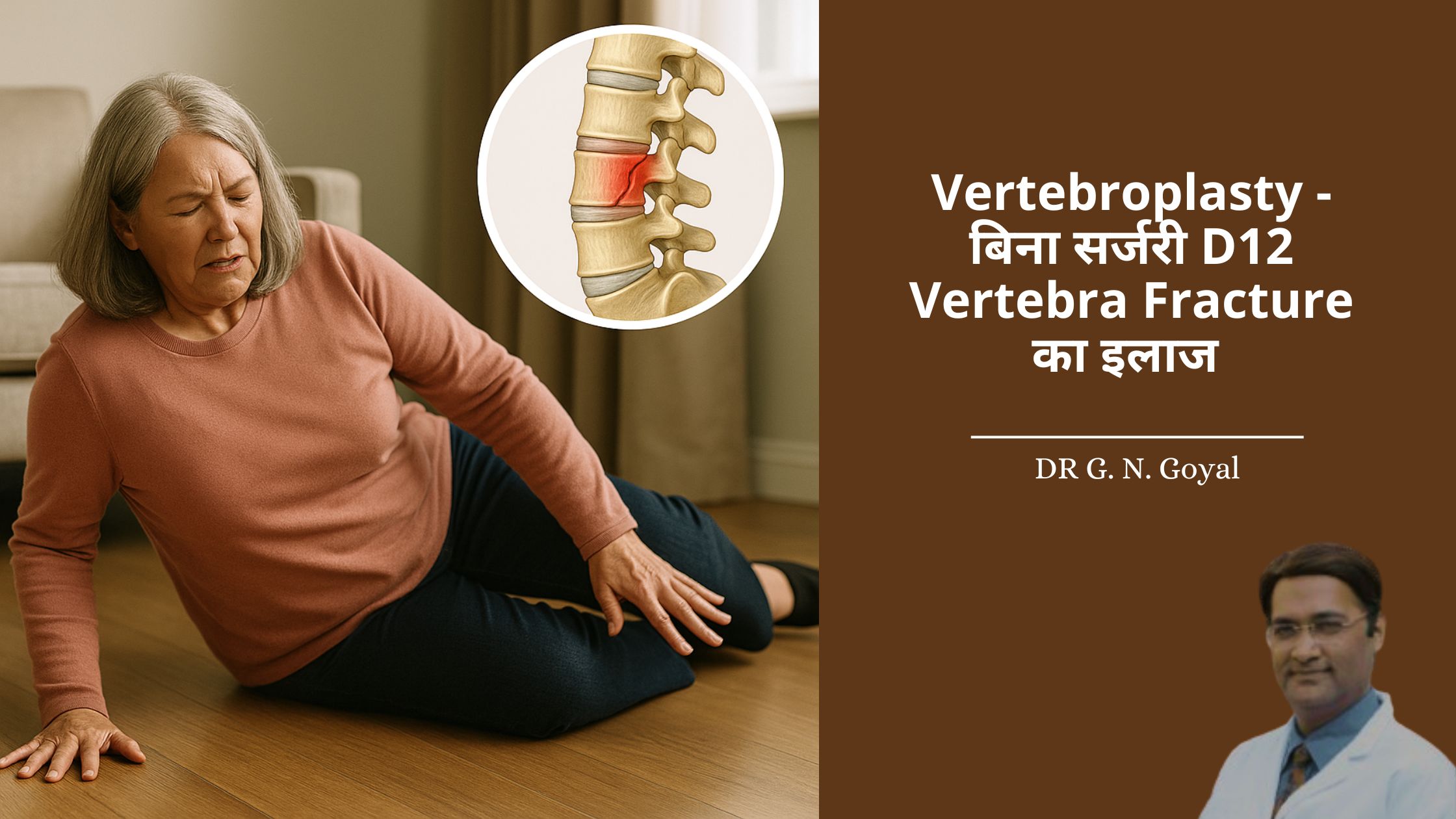
Vertebroplasty: बिना सर्जरी D12 Vertebra Fracture का इलाज – NSPC Clinic

🦴 D12 Vertebra में Compression FractureOsteoporosis की वजह से और उसका इलाज बिना सर्जरी के
D12 vertebra यानी आपकी रीढ़ की हड्डी के नीचे वाले हिस्से में अगर compression fracture हो जाए, तो ये बुज़ुर्गों में बहुत कॉमन होता है – खासकर उन लोगों में जिन्हें osteoporosis होता है। यानी जब हड्डियाँ कमज़ोर हो जाती हैं, तो हलकी चोट से भी fracture हो सकता है। इससे पीठ में तेज़ दर्द और चलने-फिरने में तकलीफ़ हो सकती है।

🦴 Compression Fracture of the D12 Vertebra क्या होता है?

जब किसी रीढ़ की हड्डी पर ज़्यादा दबाव पड़ता है या हड्डी बहुत कमज़ोर होती है, तो वह दबकर बैठ जाती है या टूट जाती है। इसी को compression fracture कहते हैं। D12 vertebra रीढ़ की हड्डी के लोअर thoracic हिस्से में होता है, जो कमर के ठीक ऊपर होता है – इसलिए ये fracture वहाँ ज़्यादा होता है।

⚠ कारण और रिस्क फैक्टर

सबसे कॉमन कारण osteoporosis होता है – यानी जब शरीर में Vitamin D की कमी के कारण हड्डियाँ खोखली और कमज़ोर हो जाती हैं। इसके अलावा:
• हल्की या मामूली चोट लगना (जैसे गिरना या छोटी दुर्घटना)
• कैंसर का असर अगर हड्डी तक पहुँच जाए
• लंबे समय तक corticosteroid दवाओं का इस्तेमाल

🔍 लक्षण
• अचानक पीठ के बीच या नीचे वाले हिस्से में तेज़ दर्द, खासकर लेटने पर दर्द महसूस होना
• समय के साथ कद छोटा लगने लगना
• रीढ़ की हड्डी झुक जाना (kyphosis)
• चलने-फिरने में दिक्कत
सुन्नपन या झनझनाहट अगर नस पर दबाव पड़ रहा हो

🧪 कैसे पता चलता है?

डॉक्टर आमतौर पर इन टेस्ट्स से डायग्नोसिस करते हैं:
• X-ray
• MRI या CT Scan – fracture कितना है और नस पर असर हुआ है या नहीं
• DEXA Scan – जिससे हड्डियों की मजबूती यानी osteoporosis का पता चलता है

💉 इलाज के तरीके

इलाज fracture की गंभीरता और कारण पर निर्भर करता है।
🔹 साधारण (Conservative) इलाज:
• कुछ दिन आराम और दर्द की दवाइयाँ (लंबे समय तक बिस्तर पर रहना नुकसानदायक हो सकता है)
• बैक ब्रेस पहनना ताकि सपोर्ट मिले
• हल्की-फुल्की physiotherapy (वो भी सावधानी से)
• Osteoporosis के लिए दवाइयाँ जैसे bisphosphonates

🔹 Non-surgical, Minimally Invasive इलाज:

1. Vertebroplasty
इस प्रक्रिया में लोकल एनेस्थीसिया के तहत एक खास bone cement को fracture वाली vertebra में inject किया जाता है। ये procedure image guidance से किया जाता है और ज़्यादातर cases में patient को same day discharge कर दिया जाता है। इससे तेज़ राहत मिलती है। ज़रूरत हो तो इसे सर्जरी के साथ भी किया जा सकता है, अगर कोई implant या hardware लगाना हो।

2. Kyphoplasty
इसमें पहले एक छोटा balloon vertebra में डाला जाता है जिससे थोड़ी height वापस लाई जा सके, फिर cement inject किया जाता है। जब रीढ़ की हड्डी झुक गई हो (kyphosis), तो ये तरीका ज़्यादा फायदेमंद माना जाता है। Surgical kyphoplasty का option भी मौजूद है, जिसमें implant use किया जा सकता है।

🕒 रिकवरी और आगे की स्थिति

ज़्यादातर मरीज़ vertebroplasty या kyphoplasty के बाद कुछ ही हफ्तों में ठीक हो जाते हैं। ये दोनों तरीके minimally invasive होते हैं, जल्दी आराम देते हैं और recovery भी तेज़ होती है। लेकिन आगे fractures से बचने के लिए osteoporosis का इलाज बहुत ज़रूरी है।

🛡 बचाव के उपाय

• अपने खानपान में calcium और vitamin D को शामिल करें
• रोज़ाना हल्की-फुल्की weight-bearing exercises करें
• धूम्रपान और ज़्यादा शराब से बचें
• अगर आप रिस्क में हैं तो bone density की regular जांच करवाएं

📣 क्या आपको भी spine fracture हुआ है? नीचे कमेंट में अपना अनुभव ज़रूर शेयर करें!
अगर आपको है Osteoporotic Vertebral compression fracture, तो बिना सर्जरी वाले minimally-invasive इलाज के लिए मिलिए Dr. G N Goyal से – Delhi, Haryana या Punjab में NSPC Clinic (Spine Fracture Clinic) पर। अभी appointment बुक करें – या WhatsApp icon पर क्लिक करें।

📞 Contact Us

😊 Happy Patients की बातें सुनें

दिए गए लिंक पर क्लिक करें और जानें हमारे spine fracture patients के अच्छे अनुभव।

minimally invasive spine

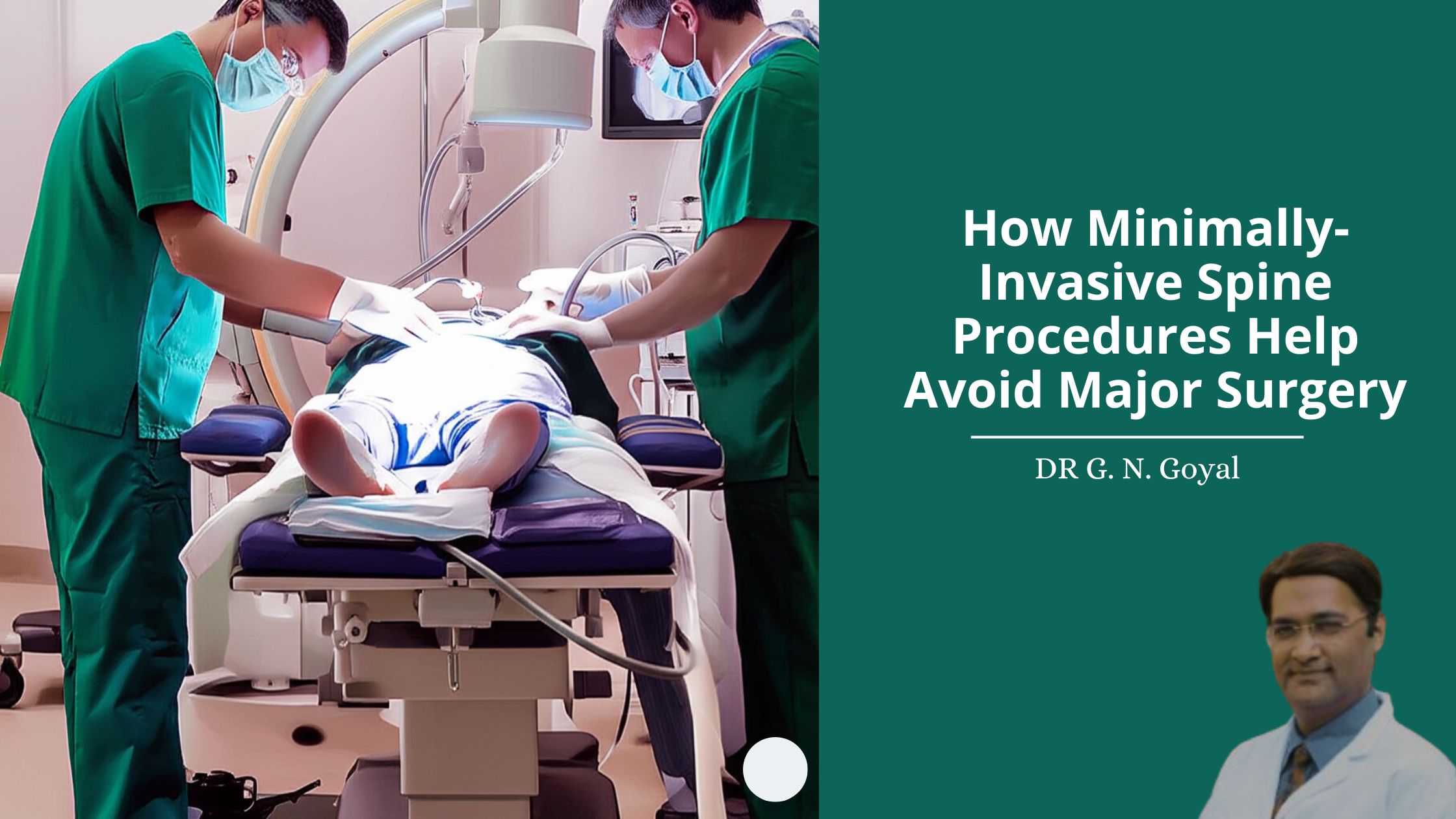
How Minimally-Invasive Spine Procedures Help Avoid Major Surgery

In recent years, minimally invasive spine procedures have revolutionized the way spinal conditions are treated. Patients who once faced the daunting prospect of open-back surgery now have the option to choose a safer, quicker, and less painful path to recovery. A minimally invasive procedure or minimally invasive intervention offers multiple benefits, making it a preferred choice for both patients and healthcare providers.

What is a Minimally Invasive Spine Procedure (MIPSI)?

A minimally invasive spine procedure involves using no incisions, no cuts, specialized instruments, and advanced imaging techniques to treat spinal disorders. Unlike traditional open surgery that requires large incisions and significant muscle dissection, a minimally invasive technique causes negligible damage to surrounding tissues.

The goal of a minimally invasive procedure or minimally invasive intervention is to achieve the same outcome as open surgery but with minimal complications, reduced hospital stays or no hospital admission, and faster recovery times. These procedures are commonly used to treat herniated discs, spinal stenosis, degenerative disc disease, compression vertebral fractures, and other spinal conditions.

Benefits of Minimally Invasive Spine Procedures (MIPSI)

There are numerous advantages of choosing a minimally invasive spine procedure over traditional surgery:

1. Smaller Incisions or No Incisions

A minimally invasive procedure or minimally invasive intervention typically requires no incision or incisions approximately 1 cm in length. This greatly reduces scarring and leads to better cosmetic outcomes.

2. Less Blood Loss or No Blood Loss

Because the treating area is more controlled and precise, a minimally invasive approach significantly reduces blood loss during the procedure.

3. Shorter Hospital Stay

Many minimally invasive spine procedures are performed on an outpatient basis, allowing patients to return home the same day or after a short hospital stay.

4. Reduced Pain and Faster Recovery

The reduced trauma to muscles and soft tissues means less post-procedure pain and a faster return to normal activities. Patients often resume work and daily life much sooner compared to those who undergo traditional surgery.

5. Lower Risk of Infection

Smaller incisions and less exposure of internal tissues lower the chances of infection, making a minimally invasive procedure or minimally invasive intervention safer overall.

Common Minimally Invasive Spine Techniques (MIPSI)

Several types of minimally invasive spine procedures are available, depending on the condition being treated:

All these techniques fall under the umbrella of minimally invasive procedures or minimally invasive interventions and help patients recover without the stress of major operations.

When is MIPSI, a Minimally Invasive Procedure or Minimally Invasive Intervention Recommended?

Not every patient is a candidate for a minimally invasive procedure. However, for those back pain or cervical pain patients with conditions like disc herniation, sciatica, spinal pain, cervical spondylosis, cervical spondylitis, or stenosis, it can be an ideal alternative to open surgery. A thorough evaluation by a spine specialist is essential to determine the most appropriate treatment.

Final Thoughts

As medical technology continues to advance, minimally invasive spine procedures are becoming the gold standard for treating a wide range of spinal disorders. The ability to avoid large incisions, reduce complications, and speed up recovery is transforming patient experiences across the globe.

If you or a loved one is dealing with chronic back pain, tail bone pain, neck pain, nerve pain or a spinal issue, consulting a specialist about a minimally invasive procedure or minimally invasive intervention could be the first step toward a healthier, pain-free life.

Visit the Minimally – Invasive Spine Treatment SpecialistDr. G N Goyal for any non-surgical, minimally invasive, keyhole treatments in Delhi, Haryana or Punjab, at the nearest Spine ClinicNSPC Clinic, and book your appointment now! Or Click on WhatsApp icon.

Contact Us

Hear from our Happy Patients

You may please click here to know the pleasant experiences of our back pain patients and cervical pain patients.

D12 vertebral compression fracture

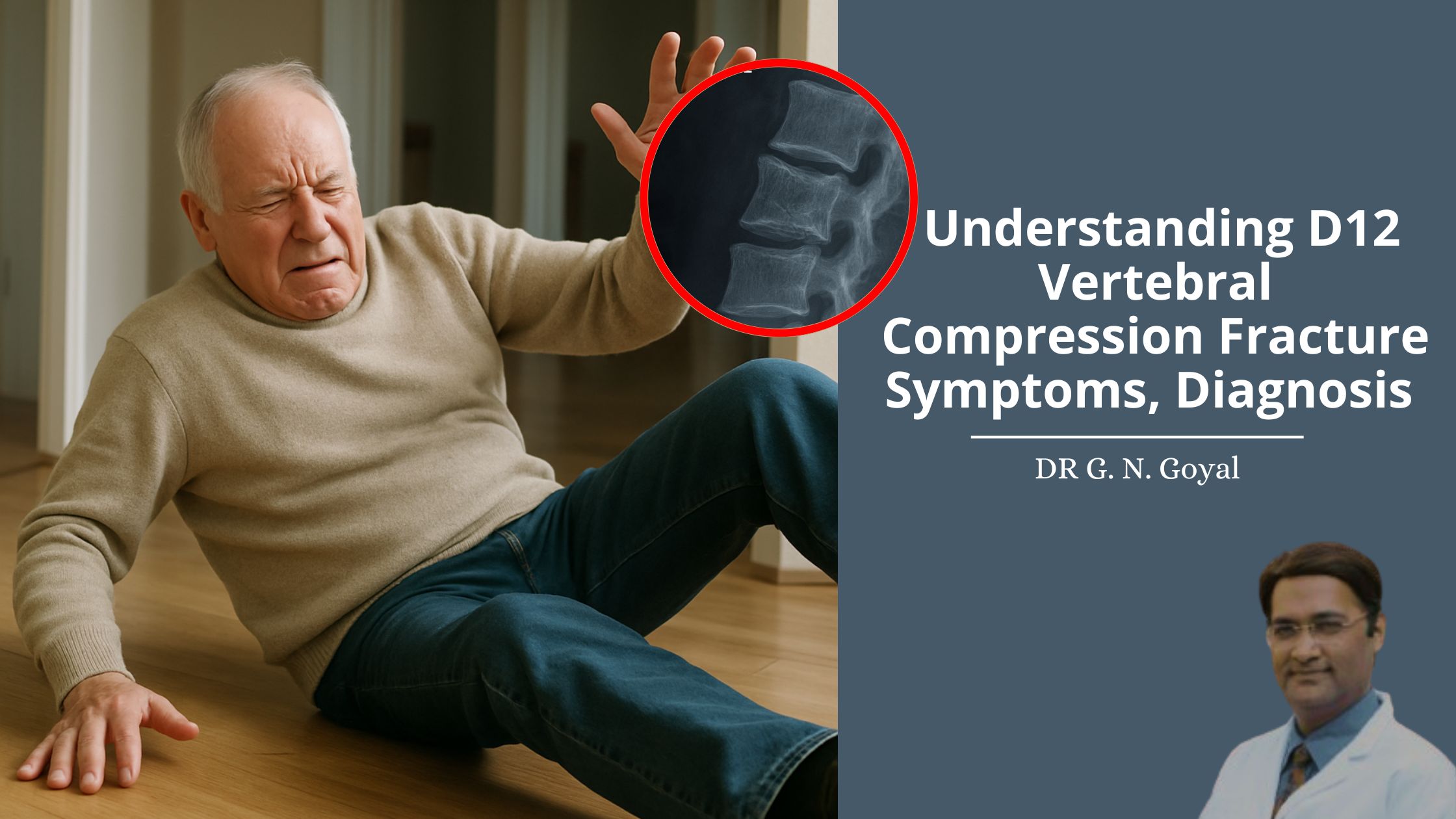
Understanding D12 Vertebral Compression Fracture: Symptoms, Diagnosis

Vertebral compression fractures are painful and can significantly impact spinal mobility. Among them, the D12 vertebral compression fracture is one of the most commonly diagnosed, especially in older adults or those with osteoporosis. Recognizing the early vertebral compression fracture symptoms is crucial for timely treatment and avoiding further complications.

In this blog, we’ll cover the signs to look out for, what the compression fracture of vertebral column and how to deal with a D12 vertebral compression fracture effectively.


🔍 What Is a Vertebral Compression Fracture?

A vertebral compression fracture occurs when a vertebra in the spine collapses due to pressure, trauma, or bone weakening. The D12 vertebral compression fracture, located at the thoracolumbar junction, often causes localized pain and postural changes.

Patients may initially ignore vertebral compression fracture symptoms, mistaking them for regular backaches. However, if not treated, it can lead to chronic pain and spinal deformity.


⚠ Common Vertebral Compression Fracture Symptoms

Understanding the vertebral compression fracture symptoms helps with early detection and intervention. Here are the most frequently reported signs:

  • Sudden back pain, especially after a minor fall or strain
  • Pain while standing or walking
  • Height loss over time
  • Kyphosis (hunched back appearance)
  • Limited spine mobility

If these vertebral compression fracture symptoms match what you’re experiencing, it’s important to consult a spine specialist immediately — particularly when there’s suspicion of a D12 vertebral compression fracture.


🏥 Why D12 Vertebral Compression Fracture Needs Immediate Attention

A D12 vertebral compression fracture lies near the transition between the thoracic and lumbar spine, making it a crucial junction for weight-bearing and movement. Left untreated, it can lead to:

  • Chronic pain
  • Nerve impingement
  • Reduced mobility
  • Spinal instability

Doctors will often evaluate the vertebral compression fracture symptoms using X-rays, MRIs, and CT scans. Once confirmed, they reference the correct compression fracture of vertebral column document and start treatment.


💊 Treatment Options for Vertebral Compression Fracture

Treatment varies depending on the severity of the D12 vertebral compression fracture and the associated vertebral compression fracture symptoms:

  • Pain management through medication
  • Bed rest
  • Bracing for spinal support
  • Pain management through Non-surgical, Minimally invasive procedures like kyphoplasty or vertebroplasty
  • Surgical kyphoplasty or vertebroplasty with implant

🧘 Recovery Tips for D12 Vertebral Compression Fracture

If you’re recovering from a D12 vertebral compression fracture, follow these habits:

  • Avoid lifting heavy objects
  • Practice good posture
  • Do light exercises under supervision
  • Focus on calcium-rich nutrition

Monitoring vertebral compression fracture symptoms during recovery is essential. If pain worsens or mobility reduces, consult your doctor again.


✅ Final Thoughts

Recognizing vertebral compression fracture symptoms early — especially in cases like D12 vertebral compression fracture — leads to faster recovery and fewer complications. If you or a loved one is facing back pain or was recently diagnosed, ensure your reports and care plans align with the proper compression fracture of vertebral column standards.

Spinal health is crucial, and every vertebra matters.

Do you suffer from spine fracture? Share your experience in the comments below!
Visit the Back pain & Osteoporotic Vertebral compression fracture SpecialistDr. G N Goyal for any non surgical, minimally – invasive, keyhole treatments in Delhi, Haryana or Punjab, at the nearest Spine fracture ClinicNSPC Clinic, and book your appointment now! Or Click on Whatsapp on the right side of the screen.

Contact Us

Hear from our Happy Patients

You may please click on the following link, to know the pleasant experiences of our Spine fracture patients.

ergonomic posture

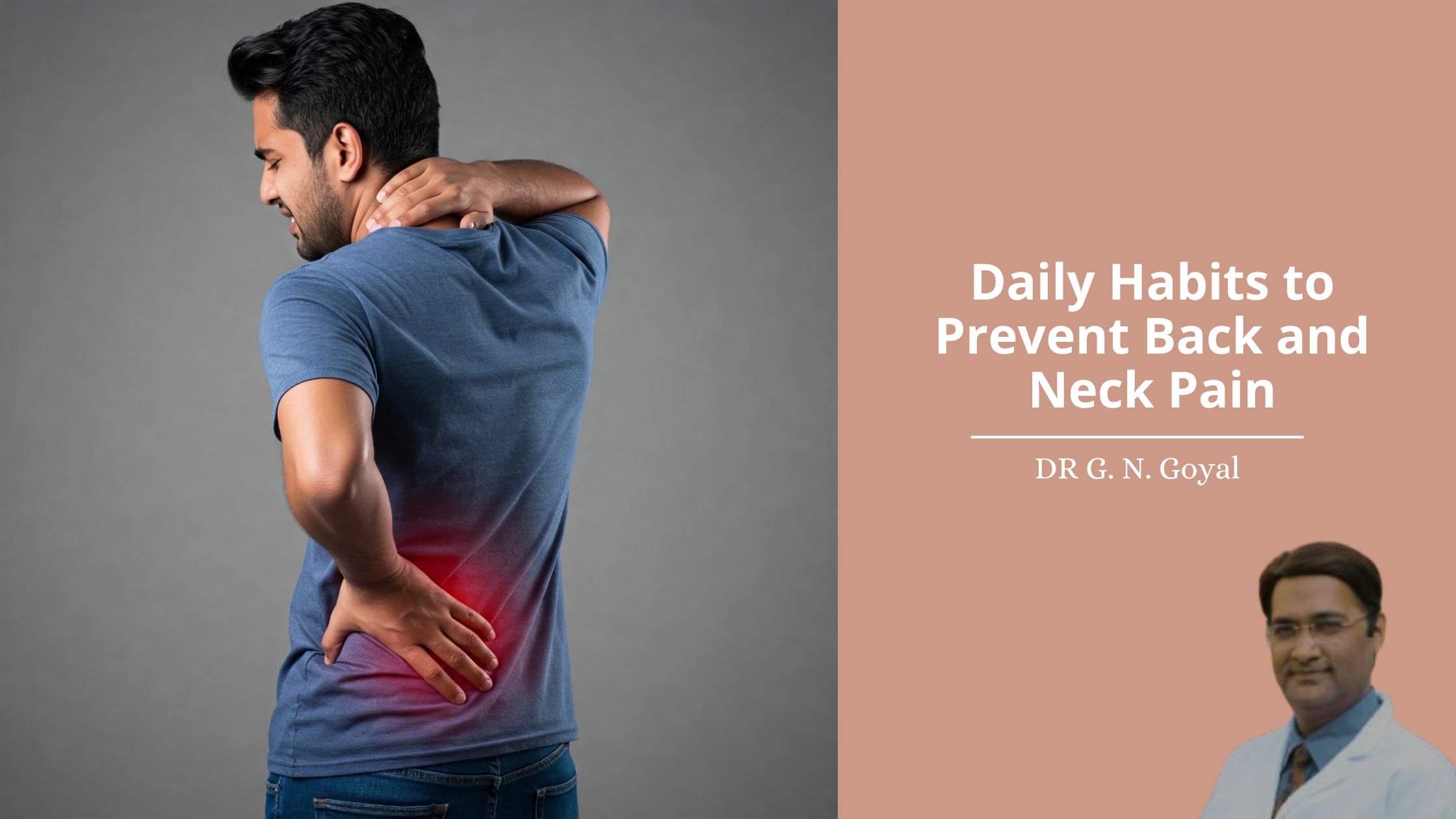
Daily Habits to Prevent Back and Neck Pain

🧘 Daily Habits to Prevent Back and Neck Pain

Back and neck pain have become common problems in today’s digital lifestyle. Poor posture, a sedentary routine, and lack of movement often lead to these chronic issues. But the good news is — small daily changes can bring long-term relief. By focusing on ergonomic posture and building healthy habits, you can avoid major discomfort. And if you’re searching for back pain management near me or a trusted back ache specialist, this guide is just the beginning of your wellness journey.


1. Practice Ergonomic Posture

One of the most powerful changes you can make is improving your ergonomic posture. Whether you’re working at a desk or looking at your phone, poor posture places stress on your spine and muscles. Sit with your back straight, shoulders relaxed, and monitor at eye level. Investing in an ergonomic chair or back support cushion can also help.

✅ Proper ergonomic posture prevents muscle strain and supports back pain prevention.


2. Get Up and Stretch Every Hour

Sitting for too long in one position causes stiffness and pain. Stand up, walk around, or do some light stretches every 60 minutes. Focus on movements that support neck pain relief and spinal alignment.

💡 A good stretch paired with ergonomic posture is a great formula for long-term comfort.


3. Strengthen Your Core and Back

A strong core is essential for spinal stability. Exercises like planks, yoga, or bridges can support your lower back and help prevent injuries. Regular physical activity also improves posture and contributes to back pain prevention.

🏋‍♀ Looking for a natural approach instead of constant medication? A back ache specialist can guide you with targeted routines.


4. Set Up a Pain-Free Workstation

Your home or office workspace should support good spinal health. Make sure your chair offers lumbar support, and your monitor is at eye level. This setup promotes ergonomic posture, reduces eye strain, and encourages regular movement.

🧑‍💻 Wondering how to upgrade your setup? Many people searching for back pain management near me find relief by making these simple adjustments.


5. Focus on Quality Sleep

Your sleeping habits also affect spinal health. Choose a firm mattress, sleep on your back or side, and use a pillow that supports your neck. These habits encourage neck pain relief and overall spinal alignment.

🛏 A back ache specialist may also recommend sleep positions and accessories designed for pain relief.


6. Limit Phone Time and Screen Exposure

Holding your phone below eye level causes constant neck bending — leading to “tech neck.” Keep your screen at eye level and take breaks to stretch. This habit supports both neck pain relief and better ergonomic posture.

📱 Add reminders to adjust posture and stretch throughout the day.


7. Stay Hydrated and Eat Spine-Friendly Foods

Drink plenty of water to keep spinal discs hydrated. Also, eat foods rich in calcium, magnesium, and vitamin D to support bone and joint health. These habits work hand-in-hand with back pain prevention and long-term wellness.


8. Consult a Specialist When Needed

If pain becomes persistent or severe, it’s time to seek expert care. A qualified back ache specialist can offer treatments like physical therapy, injections, or non-surgical, minimally–invasive MIPSI procedures. For those looking for back pain management near me, early consultation leads to faster recovery.

👩‍⚕ Don’t ignore the signs — early intervention means better results.

Improving ergonomic posture, incorporating light movement, and maintaining a healthy lifestyle are key to preventing pain. Combine these habits with professional advice when needed. If you’re looking for back pain management near me or personalized care from a back ache specialist, expert help is just a click away.

Visit the Neck Pain Clinic or Back Pain Clinic for any back or neck problem related to posture or for any other spine-related problems in Delhi, Haryana, or Punjab, at the nearest Spine Clinic – NSPC Clinic, or book your appointment now.

CONTACT US

Hear from our Happy Patients

You may please click here to know the pleasant experiences of our back pain patients & neck pain patients.

tailbone pain

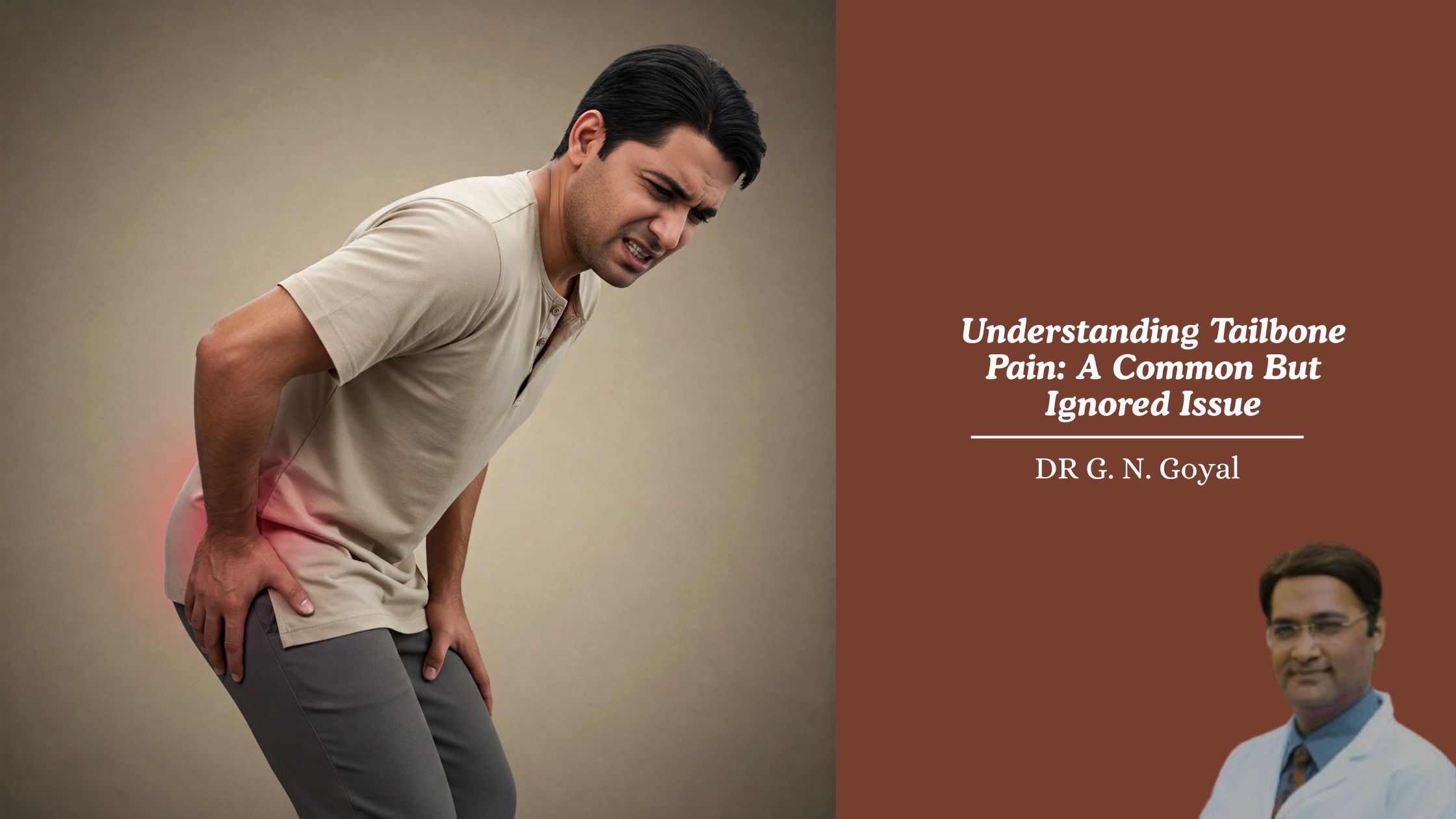
Understanding Tailbone Pain: A Common But Ignored Issue

Tailbone pain, also known as coccyx pain or coccydynia, is a discomfort many people silently endure. The tail bones, located at the very bottom of the spine, may be small, but they play a crucial role in providing balance and support when you sit. When these tail bones become injured or inflamed, it can result in persistent tailbone pain that interferes with daily activities.


What Causes Tailbone Pain?

There are several reasons why tailbone pain can occur. Some common causes include:

  • Injury or trauma: A fall or direct blow to the tail bones.
  • Prolonged sitting: Especially on hard surfaces, which puts pressure on the tail bones.
  • Childbirth: A common cause in women due to the pressure exerted on the tail bones.
  • Degenerative diseases: Arthritis or bone spurs affecting the tail bones.
  • Poor posture: Slouching while sitting can misalign the spine and stress the tail bones.

If left untreated, tailbone pain can become chronic. That’s why early attention and proper care are key to finding a tailbone pain cure.


Tailbone Pain Relief: Home Remedies and Tips

Finding tailbone pain relief doesn’t always mean surgery or strong medication. There are several effective home remedies and lifestyle changes that can help:

1. Use a Cushion

A doughnut-shaped or wedge cushion can take pressure off the tail bones and help ease tailbone pain while sitting.

2. Warm and Cold Compress

Apply an ice pack during the first few days of pain, followed by heat therapy later. This can speed up healing and offer quick tailbone pain relief.

3. Correct Your Posture

Good sitting posture can significantly reduce strain on your tail bones. Sit upright, avoid leaning backward, and keep your feet flat on the floor.

4. Stretch and Exercise

Gentle stretching and pelvic exercises can ease tension around the tail bones and help with a long-term tailbone pain cure.

5. Over-the-Counter Pain Relief

Anti-inflammatory medications can be useful for short-term tailbone pain relief, but they should not be relied on long-term.


When to Seek Medical Help

If your tailbone pain lasts more than a few weeks, worsens over time, or comes with numbness or tingling, it’s time to consult a healthcare provider, preferable a specialist doctor. They might recommend:

  • Physical therapy focused on the lower back and tail bones
  • Prescription medications
  • MIPSI treatments – Non-surgical, minimally-invasive, keyhole treatments – One of the best treatments available for tailbone pain, offered by Pain Specialist (Spine & Pain Specialist) doctor.
  • In rare cases, surgery (coccygectomy) as a tailbone pain cure

Natural Tailbone Pain Cure Options

Many people look for a tailbone pain cure that’s natural and free from side effects. Here are a few suggestions:

  • Yoga: Certain yoga poses strengthen and stretch the lower spine and pelvic muscles.
  • Salt Baths: Soaking in a warm bath with Epsom salt can ease muscle tension and provide tailbone pain relief.
  • Massage Therapy: Deep tissue massage around the lower spine can improve blood flow and reduce pain in the tail bones.

Tailbone pain might feel like a small issue, but it can greatly affect your comfort and quality of life. By understanding the causes and using simple remedies for tailbone pain relief, you can prevent it from becoming a long-term issue. Whether you’re looking for a quick fix or a long-term tailbone pain cure, taking care of your tail bones through posture, cushions, exercises, and therapy can make all the difference.

If the pain continues, don’t hesitate to consult a specialist for personalized tailbone pain relief solutions. Your tail bones deserve just as much attention as any other part of your body!

Do you suffer from tailbone pain? Share your experience in the comments below!

Visit the Tailbone Pain SpecialistDr G N Goyal or for any other lower back related Problems in Delhi, Haryana or Punjab, at the nearest Tailbone Pain Clinic, and book your appointment now!

CONTACT US

You may please click here, to know the pleasant experiences of our patients.


cure to sciatica pain

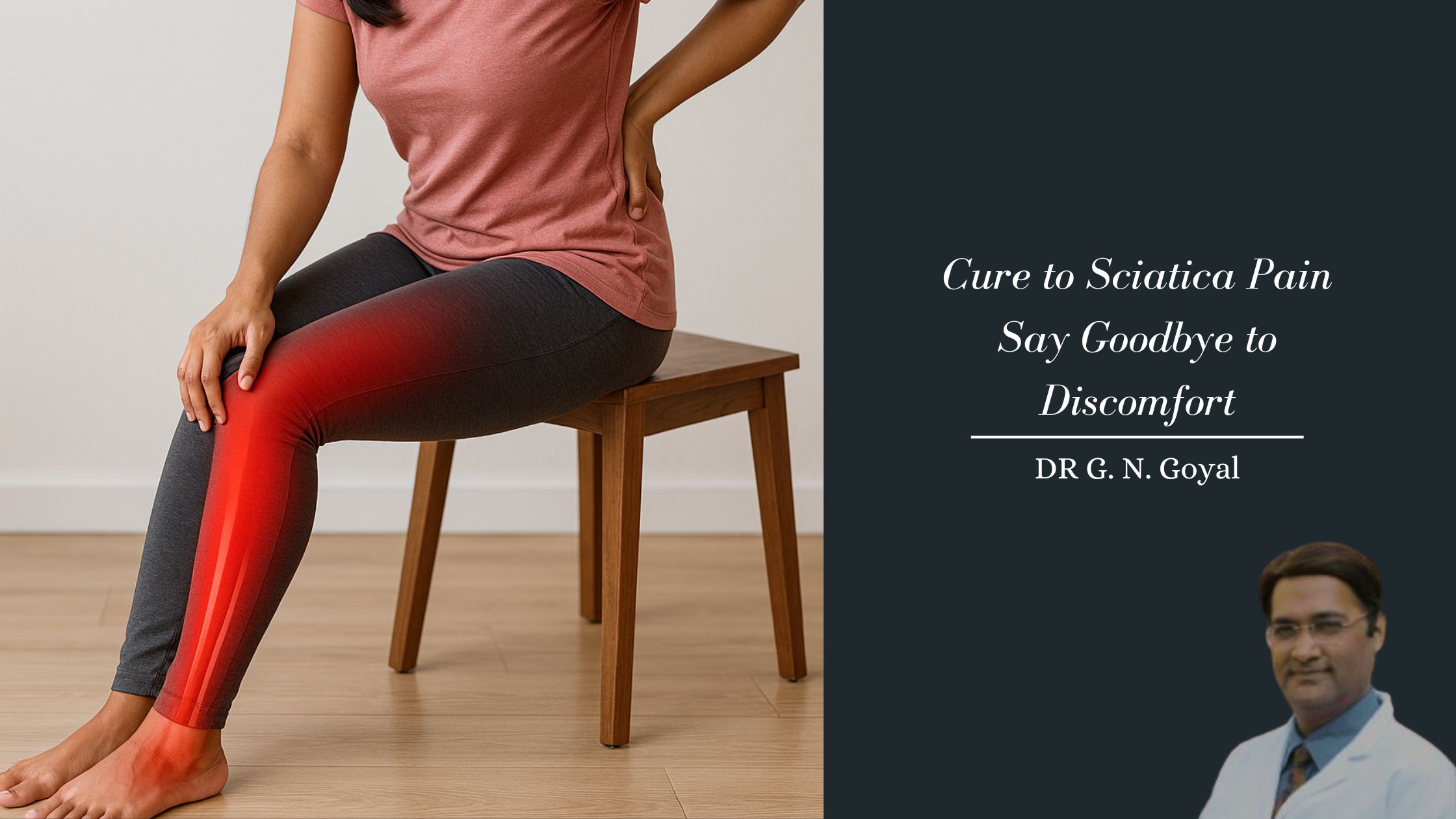
Cure to Sciatica Pain: Say Goodbye to Discomfort

Cure to Sciatica Pain: Say Goodbye to Discomfort

Sciatica pain can be a life-altering issue that makes everyday movement a challenge. It usually starts in the lower back and travels down through the hips and legs, often due to a pinched sciatic nerve. Finding the cure to sciatica pain becomes essential when simple tasks become difficult and painful. This blog will help you understand the causes and the most effective sciatica pain treatment options available today.


What is Sciatica Pain?

Sciatica pain refers to the discomfort caused when the sciatic nerve is compressed or irritated. People often describe sciatica pain as a sharp, shooting ache that travels from the lower back to the legs. While it may go away on its own for some, others may need proper sciatica pain treatment to avoid long-term complications.


Effective Cure to Sciatica Pain: What Works?

Let’s explore the best options for the cure to sciatica pain:

1. Physical Therapy

Therapists often suggest exercises that focus on strengthening the lower back and core muscles. These exercises have minimal role in relieving sciatica pain but mainly prevent it from coming back.

2. Medication

Anti-inflammatory medications or muscle relaxants are often part of the sciatica pain treatment plan. These help in reducing nerve inflammation and give temporary relief.

3. Alternative Therapies

Acupuncture and chiropractic treatments have not shown great results in the cure to sciatica pain. These natural techniques help in relaxing the muscles and improving posture.

4. Surgical Options

In few cases, surgery might be considered as a sciatica pain cure when all other treatments fail.

5. Medical treatment or Interventional treatments offered at Spine & Pain clinics.


Cure to Sciatica Pain at a Pain Clinic in Delhi

If you’re looking for expert care, visiting a pain clinic in Delhi can make a huge difference. Specialist Dr perform Nonsurgical, minimally-invasive, keyhole (MIPSI) treatments – Latest and safest way of treating sciatica pain. More than 90% patients need these treatments, if sciatica pain is persisting for more than 2 months. These clinics specialize in advanced methods of sciatica pain treatment like:

  • Epidural technique
  • Radiofrequency treatments
  • Neuroplasty treatments
  • Spine endoscopy

A professional pain clinic in Delhi will provide a personalized plan that suits your lifestyle and pain level. From diagnosis to the final sciatica pain cure, they guide you through every step.

▶️ Watch this sciatica pain short video on YouTube


Lifestyle Tips for Lasting Relief

  1. Maintain good posture
  2. Avoid sitting for long hours
  3. Use ergonomic furniture
  4. Practice yoga and light stretches
  5. Keep your weight under control

All these steps contribute to a natural cure to sciatica pain and work alongside medical options for a balanced recovery.


Conclusion

Don’t let sciatica pain hold you back from living your life to the fullest. Whether you’re exploring natural remedies or consulting a pain clinic in Delhi, finding the right sciatica pain cure is entirely possible. With the right guidance, exercises, and therapies, the cure to sciatica pain can be within your reach.

So if you’re tired of living in discomfort, seek the right sciatica pain treatment today and take the first step towards a pain-free life!
Visit the Sciatica pain SpecialistDr. G N Goyal, for any sciatica spine or nerve pain-related problems in Delhi, Haryana or Punjab at the nearest Sciatica Pain ClinicNSPC Clinic. Book your appointment now!

👉 CONTACT US
You may please click here to know the pleasant experiences of our Sciatica pain patients.


sitting posture

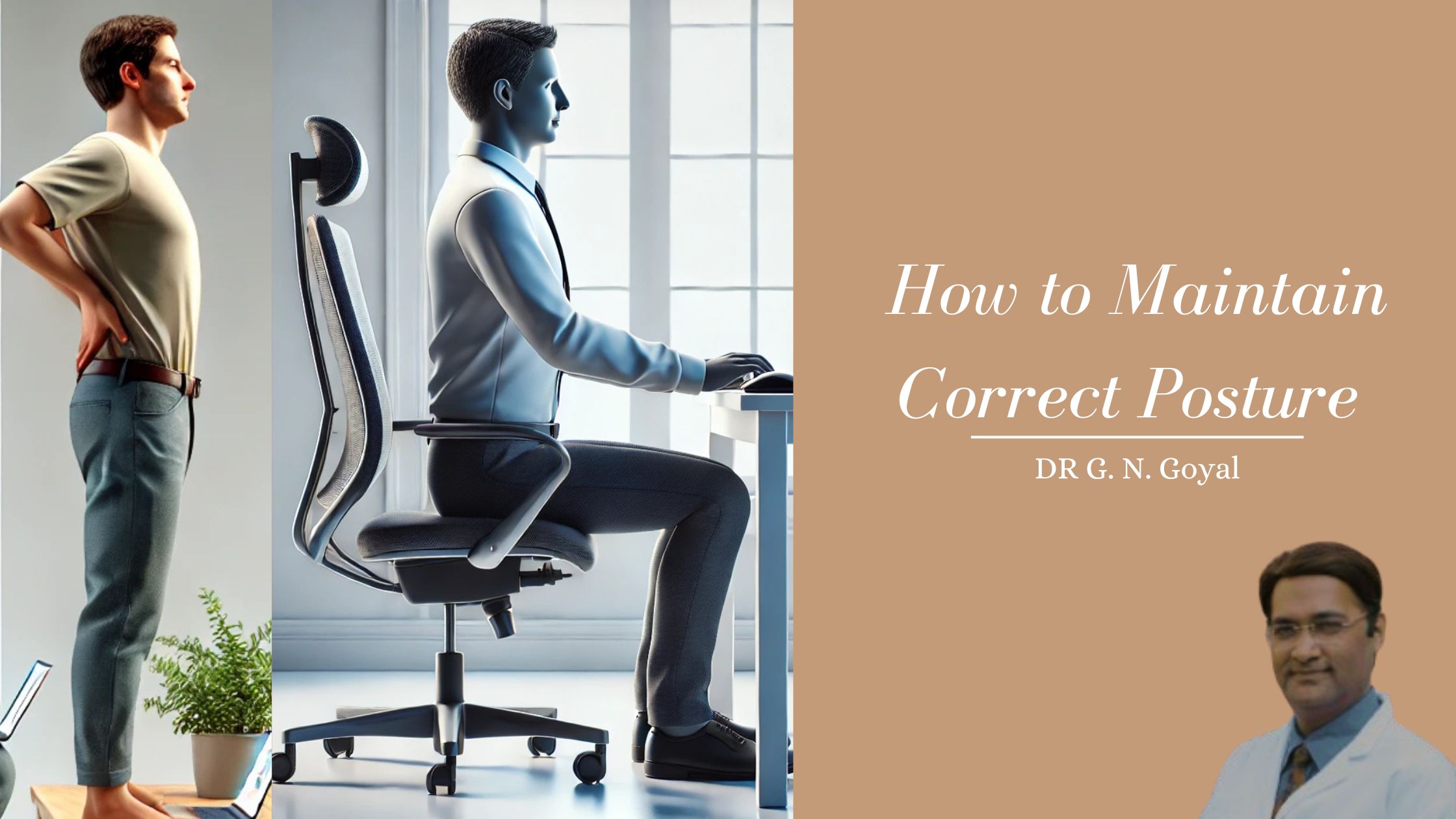
How to Maintain Correct Posture – Sitting, Standing, Walking, Working, Sleeping

Maintaining the right posture is essential for preventing pain and discomfort in daily life. Whether you’re working at a desk, walking, standing, or sleeping, improper posture can lead to long-term spinal issues. If you’re experiencing discomfort, visiting a pain clinic in Delhi or nearby your location or consulting a pain doctor may help. Here’s a complete guide to improving your posture and overall body alignment.

1. Correct Sitting Posture

Your sitting posture plays a crucial role in preventing back and neck pain. Poor posture while sitting can lead to chronic issues requiring treatment from a nearby back pain doctor. Follow these tips to improve your sitting posture:

– Keep your back straight and shoulders relaxed.
– Ensure your feet are flat on the ground or on a footrest.
– Adjust your chair to support the natural curve of your spine.
– Avoid crossing your legs to maintain proper blood circulation.
– Take breaks every 30 minutes to stand and stretch.

A visit to a spine clinic in Delhi or nearby your location can help assess and correct your sitting posture to prevent long-term damage.

2. Correct Standing Posture

Proper standing posture reduces strain on your spine and muscles. Here’s how to stand correctly:

– Keep your head aligned with your spine.
– Distribute your weight evenly on both feet.
– Avoid locking your knees while standing.
– Engage your core muscles to support your back.

For persistent pain, a spine pain clinic can provide specialized treatment.

3. Correct Walking Posture

Walking correctly helps maintain spinal alignment and prevents back pain:

– Keep your head up and look forward.
– Walk with even strides and engage your core muscles.
– Avoid slouching or hunching your shoulders.
– Wear supportive footwear to reduce strain on your spine.

If walking causes pain, consider visiting a back pain clinic for an evaluation.

4. Correct Working Posture

A poor work posture can lead to severe spine issues. Follow these tips:

– Keep your screen at eye level to prevent neck strain.
– Use an ergonomic chair for lumbar support.
– Keep your wrists straight while typing.
– Take frequent breaks to stretch and move around.

Seeking guidance from a Neck pain doctor can help prevent work-related posture issues.

5. Correct Sleeping Posture

Sleeping in the right posture is crucial for spinal health. Follow these sleeping posture tips:

– Use a firm mattress and supportive pillow.
– Sleep on your back or side instead of your stomach.
– Place a pillow between your knees if sleeping on your side.
– Avoid using too many pillows under your head.

For chronic back pain, a spine pain clinic or nearby back pain doctor can help identify the root cause.

Maintaining the correct posture in all activities is essential for preventing pain and discomfort. If you experience chronic pain, consider visiting a pain clinic in Delhi or nearby your location, or a spine clinic in Delhi or nearby your location for expert guidance. Prioritize your sitting posture and overall body alignment to lead a pain-free life!

Visit the Neck pain Clinic or Back pain Clinic for any Back or Neck problem related to posture or for any other spine related Problems in Delhi, Haryana or Punjab, at the nearest Spine Clinic – NSPC Clinic, Or book your appointment now!

CONTACT US

Happy Patients
You may please click here, to know the pleasant experiences of our back pain patients & neck pain patients.

food for bones

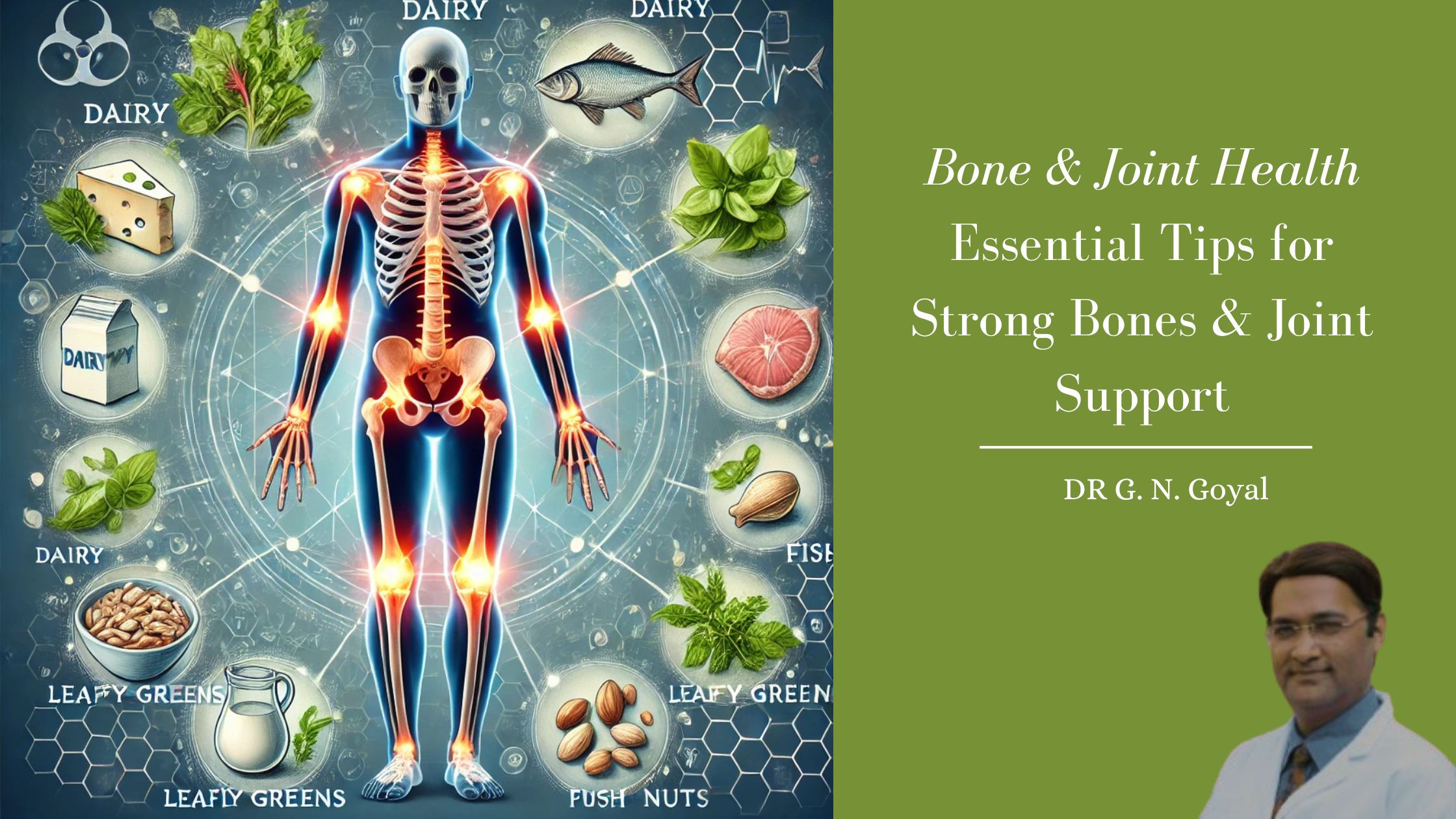
Bone & Joint Health: Essential Tips for Strong Bones & Joint Support

Food for bones and healthy joints are crucial for overall mobility and quality of life. Poor bone health can lead to conditions like osteoporosis, osteoarthritis, and frozen shoulder, which can limit movement and cause pain. In this blog, we’ll explore foods for strong bones and tips for maintaining bone health.

Importance of Bone & Joint Health

Bones provide structure to our body, protect vital organs, and store minerals like calcium and phosphorus. Joints, on the other hand, enable movement and flexibility. As we age, bones tend to lose density, making them more prone to fractures, while joints may experience wear and tear, leading to discomfort and mobility issues.

 Food for Strong Bones: Best Nutrients & Sources

Maintaining good bone health starts with proper nutrition. Here are some essential nutrients and foods that support strong bones:

1. Calcium-Rich Foods
Calcium is a key component of bone structure. Lack of calcium can lead to weak bones and conditions like osteoporosis.
– Dairy products: Milk, cheese, yogurt
– Leafy greens: Spinach, kale, collard greens
– Fortified foods: Almond milk, soy milk, cereals
– Nuts & seeds: Almonds, chia seeds, sesame seeds

2. Vitamin D Sources
Vitamin D is essential for calcium absorption in the bones.
Sunlight exposure
– Fatty fish: Salmon, mackerel, tuna
– Egg yolks
– Fortified foods: Orange juice, cereals, dairy products

3. Magnesium & Phosphorus for Bone Strength
Magnesium helps convert vitamin D into its active form, while phosphorus is a critical bone-building mineral.
– Nuts: Almonds, cashews, walnuts
– Whole grains: Brown rice, quinoa, oats
– Beans & lentils

4. Protein for Bone & Joint Health
Protein supports bone density and muscle strength.
– Lean meats: Chicken, turkey
– Egg
– Plant-based sources: Tofu, beans, lentils, nuts

5. Collagen & Omega-3 Fatty Acids
Collagen keeps joints flexible and reduces stiffness, while omega-3 fatty acids help reduce inflammation.
– Bone broth
– Fatty fish
– Chia seeds & flaxseeds

Taking care of your bones and joints is essential for a healthy, active life. A well-balanced diet, regular exercise, and preventive measures can help strengthen bones and prevent conditions like frozen shoulder and osteoarthritis knee pain. Start incorporating food for bones into your diet and adopt an active lifestyle for better bone health!

Do you suffer from Arthritis? Let us know in the comments!

Visit the Arthritis pain SpecialistDr. G N Goyal for any joints related Problems in Delhi, Haryana or Punjab, at the nearest Arthritis Clinic, and book your appointment now!
NSPC clinic has been serving the patients with most advanced treatments, care and compassion, giving best results.

Contact Us

1 2 3 4

Search

+